Back pain is common and often related to muscle strain, poor posture, or degenerative spine conditions. However, in rare cases, persistent or worsening back pain may be caused by a spinal infection.
A spinal infection is a serious medical condition that affects the bones, discs, or surrounding tissues of the spine. Early recognition and prompt treatment are important to prevent complications such as nerve compression or spinal instability.
This article explains what spinal infections are, the early warning signs to look out for, and when to seek assessment from a spine specialist.
What Is a Spinal Infection?
A spinal infection occurs when bacteria or, less commonly, fungi infect structures of the spine. The infection may involve:
- Intervertebral discs (called discitis)
- Vertebral bones (called vertebral osteomyelitis)
- The space around the spinal cord (epidural abscess)
Infections can spread to the spine through the bloodstream from another part of the body, after surgery, or following invasive procedures. In some cases, the exact source is not identified.
What Is Discitis?
Discitis is an infection of the intervertebral disc the cushion between two spinal bones (vertebrae). Because discs have limited blood supply, infections may spread from nearby bone or via the bloodstream.
Common symptoms of discitis:
- Persistent back or neck pain
- Pain that worsens with movement
- Fever (not always present)
- Reduced mobility or stiffness
- General fatigue
In children, discitis may present with refusal to walk or unexplained irritability.
What Is Vertebral Osteomyelitis?
Vertebral osteomyelitis refers to infection of the spinal bones (vertebrae). It may occur together with discitis.
Symptoms may include:
- Deep, constant back pain
- Night pain that does not improve with rest
- Fever or chills
- Unexplained weight loss
- Tenderness over the spine
If untreated, infection may weaken the bone and cause spinal instability.
When Is Back Pain Not “Just Muscle Strain”?
Most back pain improves with rest, physiotherapy, or medication. However, certain “red flag” symptoms should not be ignored.
Seek medical attention if you experience:
- Back pain with persistent fever
- Severe pain that does not improve with rest
- Night pain that wakes you from sleep
- Recent infection elsewhere in the body
- Weakened immune system (e.g., diabetes, long-term steroids)
- History of recent spinal procedure
- New numbness, weakness, or difficulty passing urine
Back pain combined with systemic symptoms such as fever or malaise should be assessed promptly.
Can a Spinal Infection Cause Nerve Problems?
Yes. If infection spreads into the spinal canal, it may form a spinal epidural abscess, which can compress the spinal cord or nerves.
Possible warning signs include:
- Numbness or tingling in the arms or legs
- Weakness
- Difficulty walking
- Loss of bladder or bowel control
These symptoms require urgent medical evaluation.
How Is a Spinal Infection Diagnosed?
Diagnosis typically involves:
- Clinical assessment and detailed history
- Blood tests (such as CRP, ESR, white blood cell count)
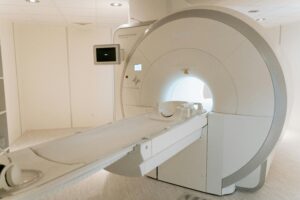
- MRI scan of the spine (most sensitive imaging test)
- Blood cultures to identify the organism
- Occasionally, biopsy to confirm the infection
An accurate diagnosis is important because spinal infections can sometimes mimic degenerative spine conditions or muscular pain.
How Are Spinal Infections Treated?
Treatment depends on the severity and presence of complications.
Non-surgical treatment may include:
- Intravenous (IV) antibiotics for several weeks
- Pain management
- Bracing to support the spine
- Close imaging and blood test monitoring
Surgery may be considered if:
- There is nerve compression
- Spinal instability develops
- Infection does not respond to antibiotics
- Abscess drainage is required
The goal of treatment is to clear the infection, relieve pressure on nerves, and maintain spinal stability.
Key Takeaways
- Spinal infections are uncommon but serious.
- Persistent back pain with fever should not be ignored.
- Discitis affects spinal discs; osteomyelitis affects spinal bones.
- MRI is the most important imaging tool for diagnosis.
- Early treatment helps reduce risk of complications.
- Urgent evaluation is needed if nerve symptoms develop.
Frequently Asked Questions
1. How common are spinal infections?
Spinal infections are relatively uncommon compared to other causes of back pain, but they require prompt medical attention when suspected.
2. Can a spinal infection heal with antibiotics alone?
Many cases can be treated successfully with prolonged intravenous antibiotics, especially if diagnosed early and without nerve compression.
3. How long does treatment take?
Treatment often involves several weeks of antibiotics. Recovery duration depends on the severity of infection and whether surgery is required.
4. Who is at higher risk of spinal infections?
People with diabetes, weakened immune systems, intravenous drug use, recent infections, or recent spinal procedures may have higher risk.
5. Is back pain with fever always a spinal infection?
Not always. However, back pain accompanied by fever should be evaluated to rule out infection or other serious causes.
Do Not Ignore Persistent Back Pain with Fever
If you are experiencing ongoing back pain, especially with fever, night pain, or neurological symptoms, it is important to seek medical assessment.
Dr Mohd Mashfiqul Arafin Siddiqui is a senior orthopaedic and spine surgeon at Mash Spine & Orthopaedics. A detailed clinical evaluation, appropriate imaging, and timely treatment can help determine the cause of your symptoms and guide management.
Book a consultation for a personalised spine assessment.