Shoulder Conditions
Rotator Cuff Tears, Frozen Shoulder, Shoulder Instability, and Treatment Options
When Shoulder Pain Starts Affecting Everyday Movement
The shoulder is one of the most mobile joints in the body. It allows us to lift, reach, rotate, throw, push, and carry objects throughout the day. Because the shoulder relies heavily on soft tissues for stability and movement, it is also vulnerable to injuries, overuse problems, and wear-and-tear conditions.
Some patients develop shoulder pain gradually due to repetitive strain or degeneration, while others experience sudden symptoms after sports injuries, falls, dislocations, or lifting injuries. Shoulder conditions may affect sleep, work, exercise, driving, dressing, and overhead movements.
At Mash Spine & Orthopaedics, treatment is tailored according to the patient’s symptoms, imaging findings, activity level, and functional needs. Treatment may include physiotherapy, medication, injections, shoulder arthroscopy, or surgery where appropriate.

Why Shoulder Problems Can Affect Daily Activities
The shoulder joint sacrifices stability for mobility. Unlike the hip, which is deeply supported by surrounding bone, the shoulder relies heavily on muscles, tendons, ligaments, cartilage, and the joint capsule to maintain movement and stability.
The shoulder joint includes:
- Rotator cuff tendons
- Labrum
- Cartilage
- Ligaments
- Bursa
- Joint capsule
- Muscles surrounding the shoulder blade
When these structures become injured, inflamed, unstable, or worn down, patients may develop:
- Pain
- Weakness
- Clicking sensations
- Shoulder instability
- Stiffness
- Difficulty lifting the arm
Some patients may also notice pain spreading into the neck, upper arm, or shoulder blade region.
Common Shoulder Conditions We Treat
Shoulder pain may develop from sports injuries, repetitive strain, degeneration, inflammation, or instability. Some conditions improve with conservative treatment, while others may require further intervention.
Rotator Cuff Tear Singapore
The rotator cuff is a group of tendons and muscles that help stabilise and move the shoulder joint.
Osteoarthritis is one of the most common causes of chronic knee pain.
Rotator cuff tears may occur due to:
- Age-related degeneration
- Sports injuries
- Repetitive overhead activities
- Heavy lifting
- Falls or trauma
Symptoms may include:
- Shoulder pain during lifting
- Weakness in the arm
- Pain when reaching overhead
- Difficulty sleeping on the affected side
- Clicking or catching sensations
Some patients improve with bracing and physiotherapy, while others may eventually require carpal tunnel release surgery.
Small tears may sometimes improve with physiotherapy and rehabilitation, while larger tears may require surgical assessment.
Frozen Shoulder Treatment in Singapore
Frozen shoulder, also known as adhesive capsulitis, occurs when the shoulder joint capsule thickens and becomes stiff.
This condition often develops gradually and may progress through stages involving:
- Increasing pain
- Severe stiffness
- Restricted movement
- Gradual recovery over time
Patients commonly experience:
- Difficulty reaching overhead
- Pain while dressing
- Limited arm rotation
- Difficulty fastening clothing behind the back
- Pain affecting sleep
Frozen shoulder may occur spontaneously or after injury, surgery, or prolonged shoulder immobility.
Shoulder Impingement
Shoulder impingement occurs when tendons or soft tissues become compressed during shoulder movement.
This may contribute to:
- Pain while lifting the arm
- Pain during overhead movement
- Weakness
- Shoulder inflammation
- Rotator cuff irritation
Symptoms often worsen during repetitive overhead activities or sports.
SLAP Tear
A SLAP tear is an injury involving the upper part of the labrum, the cartilage ring that helps stabilise the shoulder joint.
SLAP tears may occur due to:
- Throwing sports
- Sudden traction injuries
- Falls
- Repetitive overhead movement
- Shoulder dislocations
Symptoms may include:
- Deep shoulder pain
- Clicking sensations
- Weakness
- Reduced sports performance
- Instability during movement
Some SLAP tears occur alongside rotator cuff injuries or shoulder instability.
Shoulder Dislocation and Instability
A shoulder dislocation occurs when the ball of the shoulder joint slips out of the socket.
Dislocations may happen during:
- Sports injuries
- Falls
- Trauma
- Sudden twisting or forceful movement
After a dislocation, some patients continue experiencing:
- Shoulder looseness
- Recurrent slipping episodes
- Instability during movement
- Fear of overhead activity
Repeated dislocations may increase the risk of cartilage and labral damage over time
Shoulder Arthritis and Degeneration
Wear-and-tear changes affecting the shoulder joint may gradually lead to:
- Pain
- Stiffness
- Reduced movement
- Grinding sensations
- Difficulty lifting the arm
Arthritis may affect daily function, particularly in patients performing repetitive lifting or overhead activities.
Symptoms That May Point to a Shoulder Problem
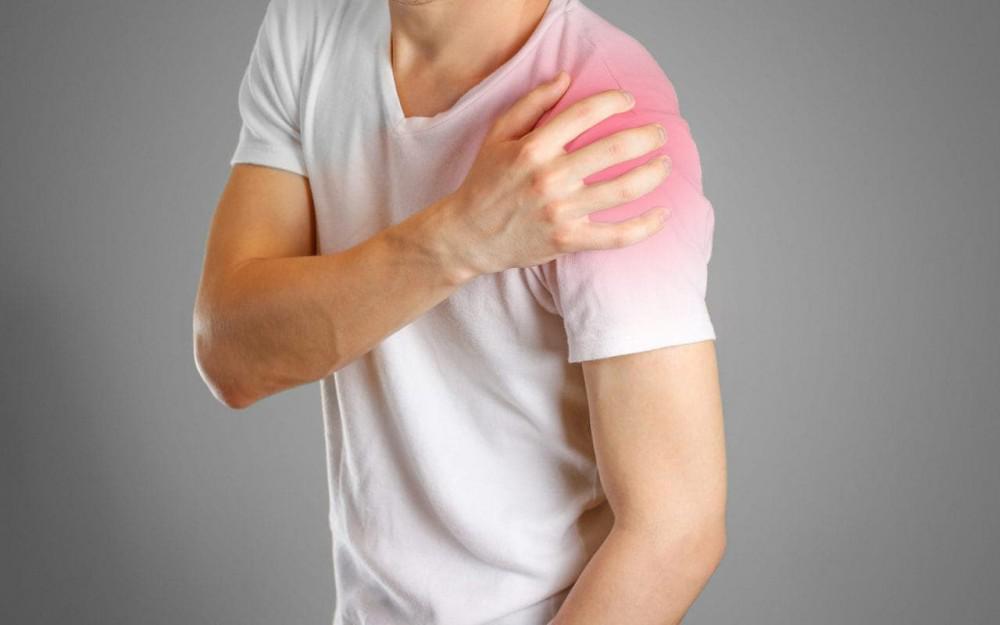
Shoulder symptoms vary depending on the underlying condition. Some problems mainly cause stiffness, while others lead to weakness or instability.
- Shoulder pain
- Weakness during lifting
- Pain reaching overhead
- Clicking or popping sensations
- Shoulder instability
- Stiffness
- Difficulty sleeping on one side
- Pain during sports or exercise
- Reduced shoulder movement
- Shoulder slipping out of place
Some patients may also experience difficulty performing daily activities such as dressing, driving, or carrying objects.
What Could Be Causing Your Shoulder Symptoms?
Several shoulder conditions may produce similar symptoms. A proper assessment helps identify the underlying cause.
| Symptom | Possible Conditions |
|---|---|
|
Pain lifting the arm |
Rotator cuff tear, impingement |
|
Shoulder stiffness |
Frozen shoulder, arthritis |
|
Clicking or popping |
SLAP tear, labral injury |
|
Shoulder instability |
Dislocation, ligament injury |
|
Weakness during movement |
Rotator cuff injury |
|
Pain during sports |
SLAP tear, impingement, instability |
Important Disclaimer:
This information is for general education only and should not be used to self-diagnose or self-treat. A medical assessment and imaging may be necessary to determine the exact cause of symptoms.
When Should You See a Shoulder Pain Specialist in Singapore?
Some shoulder problems improve with rest and rehabilitation, while others may gradually worsen without treatment.
You may wish to seek medical assessment if you experience:
- Shoulder pain lasting several weeks
- Difficulty lifting the arm
- Weakness during movement
- Shoulder instability or dislocation
- Pain affecting sleep
- Reduced shoulder movement
- Persistent clicking or popping sensations
- Symptoms affecting sports or work activities
Early assessment may help identify tendon injuries, instability, cartilage damage, or frozen shoulder before symptoms progress further.
How Shoulder Problems Are Diagnosed
Because shoulder pain may originate from several different structures, accurate diagnosis is important.
Assessment usually begins with understanding:
- Which movements trigger pain
- Whether instability is present
- Sports and activity demands
- Previous injuries or dislocations
- Functional limitations
A consultation may include:
- Physical examination
- Strength testing
- Range-of-motion assessment
- Stability testing
- Special impingement or labral tests
- X-rays
- MRI scans
- Ultrasound imaging in selected cases
Imaging may help identify:
- Rotator cuff tears
- SLAP tears
- Shoulder instability
- Cartilage damage
- Arthritis
- Frozen shoulder changes
Shoulder Pain Treatment in Singapore
Treatment depends on:
- The underlying condition
- Severity of symptoms
- Imaging findings
- Functional limitations
- Sports and activity goals
Not all shoulder conditions require surgery.
Conservative treatment is often considered first, especially for inflammation, mild tears, stiffness, or overuse-related conditions.
Physiotherapy and Rehabilitation
Physiotherapy may help:
- Improve shoulder movement
- Restore flexibility
- Strengthen supporting muscles
- Improve stability
- Reduce stiffness
- Support sports recovery
Exercise programmes are usually tailored according to the patient’s symptoms and activity demands.
Patients recovering from shoulder injuries or surgery may also benefit from guided rehabilitation programmes.
Medication and Pain Management
Medication may sometimes be used to:
- Reduce inflammation
- Relieve pain
- Improve comfort
- Support rehabilitation
Treatment recommendations depend on symptoms and medical history.
Shoulder Injections
Injections may sometimes be considered for:
- Frozen shoulder
- Shoulder inflammation
- Rotator cuff irritation
- Arthritis-related pain
- Persistent stiffness
Some injections may help reduce pain and improve participation in rehabilitation.
Not all patients require injections.
Shoulder Arthroscopy (Keyhole Surgery)
Shoulder arthroscopy is a minimally invasive procedure using small incisions and specialised instruments to assess or treat shoulder conditions.
This form of keyhole surgery may sometimes be considered for:
- Rotator cuff tears
- SLAP tears
- Shoulder instability
- Impingement
- Labral injuries
Arthroscopy may help address damaged tissues while minimising disruption to surrounding structures.
Treatment recommendations depend on imaging findings, symptoms, instability, and functional goals.
Surgery for Shoulder Instability and Rotator Cuff Tears
Surgery may sometimes be considered when:
- Shoulder instability recurs
- Rotator cuff tears are significant
- Weakness affects function
- Sports participation becomes difficult
- Conservative treatment is unsuccessful
The goals of surgery may include:
- Improving shoulder stability
- Repairing damaged tendons or cartilage
- Restoring movement
- Reducing pain
Not all patients require surgery, and recommendations depend on the severity of the condition and activity demands.
Living with Shoulder Pain
Persistent shoulder pain may gradually affect work, sleep, exercise, sports, and daily movement.
Helpful measures may include:
- Physiotherapy
- Posture improvement
- Strengthening exercises
- Activity modification
- Gradual rehabilitation
- Avoiding repetitive aggravating movements
Persistent symptoms should still be medically assessed, especially after trauma, dislocations, or worsening weakness.
Why Patients Seek a Shoulder Pain Specialist in Singapore
Patients may seek consultation for:
- Rotator cuff tear Singapore
- Frozen shoulder
- Shoulder instability
- SLAP tears
- Shoulder impingement
- Sports injuries
- Shoulder dislocations
- Persistent shoulder stiffness
- Shoulder arthroscopy
- Failed conservative treatment
Mash Spine & Orthopaedics provides assessment and treatment for shoulder conditions, sports injuries, and degenerative joint problems at Farrer Park Medical Centre.
Treatment plans are tailored according to symptoms, imaging findings, activity levels, and recovery goals.
Frequently Asked Questions About Shoulder Pain
What is the most common cause of shoulder pain?
Common causes include rotator cuff injuries, impingement, frozen shoulder, arthritis, instability, and sports injuries.
What is a rotator cuff tear?
A rotator cuff tear involves damage to the tendons that help stabilise and move the shoulder joint.
Can frozen shoulder improve without surgery?
Many cases improve with physiotherapy, rehabilitation, injections, and gradual recovery over time.
What is a SLAP tear?
A SLAP tear is an injury involving the cartilage ring (labrum) in the upper part of the shoulder socket.
What is shoulder arthroscopy?
Shoulder arthroscopy is a minimally invasive keyhole surgery used to assess or treat certain shoulder conditions.
When should shoulder instability be treated?
Shoulder instability should be assessed if the shoulder repeatedly slips out of place or feels loose during movement.

Book a Consultation at Mash Spine & Orthopaedics
If you are experiencing persistent shoulder pain, weakness, stiffness, instability, or symptoms related to rotator cuff tears, frozen shoulder, sports injuries, or shoulder dislocations, schedule a consultation with Dr Mohd Mashfiqul Arafin Siddiqui at Mash Spine & Orthopaedics in Singapore.
As an orthopaedic and spine doctor in Singapore, Dr Mash provides assessment and treatment for shoulder conditions affecting movement, stability, sports participation, and daily function.
A detailed assessment at Mash Spine & Orthopaedics can help identify the underlying cause of your symptoms and guide suitable treatment options, including physiotherapy, rehabilitation, injections, shoulder arthroscopy, keyhole surgery, or other procedures where appropriate.