Hip Conditions
Hip Arthritis, Labral Tears, Hip Fractures, and Treatment Options
When Hip Pain Affects How You Sit, Stand, and Walk
The hip is one of the body’s largest weight-bearing joints. It supports balance, movement, posture, and stability during walking, climbing stairs, exercise, and daily activities. When hip pain develops, even simple movements such as standing up, bending, or getting out of bed may become uncomfortable.
Some patients experience gradual stiffness caused by hip osteoarthritis, while others develop pain after sports injuries, labral tears, or falls. Hip pain may also spread into the groin, thigh, buttock, or lower back, making it difficult to identify the exact source without proper assessment.
At Mash Spine & Orthopaedics, treatment is tailored to the patient’s symptoms, imaging findings, mobility goals, and lifestyle needs. Treatment may include physiotherapy, medication, injections, minimally invasive procedures, or hip replacement surgery where appropriate.

Why Hip Pain Can Affect Daily Movement
The hip is a ball-and-socket joint designed to support smooth and stable movement while carrying much of the body’s weight. Every time you walk, stand, bend, climb stairs, or change direction, the hip joint absorbs significant force and movement demands.
The joint relies on several structures working together, including:
- Cartilage
- Labrum
- Tendons
- Muscles
- Ligaments
- Bone surfaces
Pain may develop when these structures become:
- Inflamed
- Injured
- Degenerated
- Fractured
- Unstable
Because the hip joint is closely connected to the pelvis, lower back, and thigh muscles, hip problems may sometimes feel similar to spine or knee conditions.
Some patients may initially assume they have back pain when the hip is actually the source of the symptoms. Careful evaluation helps identify the underlying cause and guide appropriate treatment.
Common Hip Conditions We Treat
Hip pain can develop gradually over time or appear suddenly after injury. Some conditions affect younger active individuals, while others become more common with ageing and wear-and-tear changes.
Understanding the underlying condition is important because treatment options may vary significantly depending on the source of the pain, level of joint damage, and effect on daily movement.
Hip Osteoarthritis in Singapore
Hip osteoarthritis occurs when the smooth cartilage cushioning the hip joint gradually wears down over time.
As the cartilage becomes thinner, the bones within the joint may no longer glide smoothly against each other. This can lead to inflammation, stiffness, reduced mobility, and pain during movement.
Symptoms may include:
- Hip stiffness
- Groin pain
- Reduced movement
- Pain while walking
- Difficulty standing after sitting
- Reduced walking tolerance
Symptoms may gradually worsen over many years and may eventually affect daily activities and sleep.
Some patients notice stiffness in the morning or after prolonged sitting, while others experience increasing difficulty walking longer distances.
Hip Labral Tear
The labrum is a ring of cartilage surrounding the hip socket that helps stabilise the joint.
The labrum acts as a supportive seal around the hip joint, helping maintain smooth movement and stability. When the labrum becomes torn or irritated, movement of the hip may become painful or mechanically restricted.
Labral tears may occur due to:
- Sports injuries
- Repetitive hip movements
- Trauma
- Structural hip abnormalities
- Degenerative changes
Symptoms may include:
- Groin pain
- Clicking or catching sensations
- Hip stiffness
- Pain during twisting or pivoting
- Reduced hip mobility
Some patients may notice pain during exercise or prolonged sitting.
Labral tears are sometimes seen in athletes or active individuals involved in repetitive hip movements such as running, dancing, or rotational sports.
Hip Fracture
Hip fractures commonly occur after falls or trauma, especially in older adults with weaker bone density.
A fracture involving the hip may significantly affect mobility and often requires urgent medical attention. In some patients, even a relatively minor fall may result in a fracture if the bones have become weakened over time.
Symptoms may include:
- Sudden severe hip pain
- Difficulty standing
- Inability to bear weight
- Leg shortening or rotation
- Swelling and bruising
Hip fractures often require urgent medical assessment and treatment.
Early diagnosis is important to reduce complications and help restore mobility where possible.
Hip Impingement and Cartilage Wear
Some patients develop abnormal contact between the bones of the hip joint during movement. This condition is sometimes referred to as hip impingement.
Over time, repeated contact within the joint may irritate the labrum and cartilage, particularly during activities involving deep hip flexion or rotation.
This may contribute to:
- Labral injuries
- Cartilage damage
- Groin pain
- Reduced flexibility
Over time, repeated irritation may increase the risk of early degenerative changes in the hip.
Some patients experience pain mainly during sports or exercise, while others notice progressive stiffness during daily activities.
Sports-Related Hip Injuries
Sports injuries affecting the hip may involve:
- Muscle strains
- Tendon injuries
- Labral tears
- Cartilage irritation
- Joint inflammation
Athletes and active individuals place repeated stress on the hip joint during activities involving running, pivoting, jumping, kicking, or sudden changes in direction.
Sports injuries affecting the hip may develop suddenly after trauma or gradually due to repetitive strain.
Athletes and active individuals may develop symptoms during:
- Running
- Pivoting movements
- Kicking
- Sudden directional changes
- Repetitive hip flexion
Not all sports-related hip pain requires surgery, but persistent symptoms should be properly assessed.
Symptoms That May Point to a Hip Problem
Hip pain can vary depending on the underlying condition.
Some people experience pain only during activity, while others develop symptoms that affect daily movement, posture, sleep, or mobility. Hip symptoms may also overlap with spine, buttock, or thigh pain.
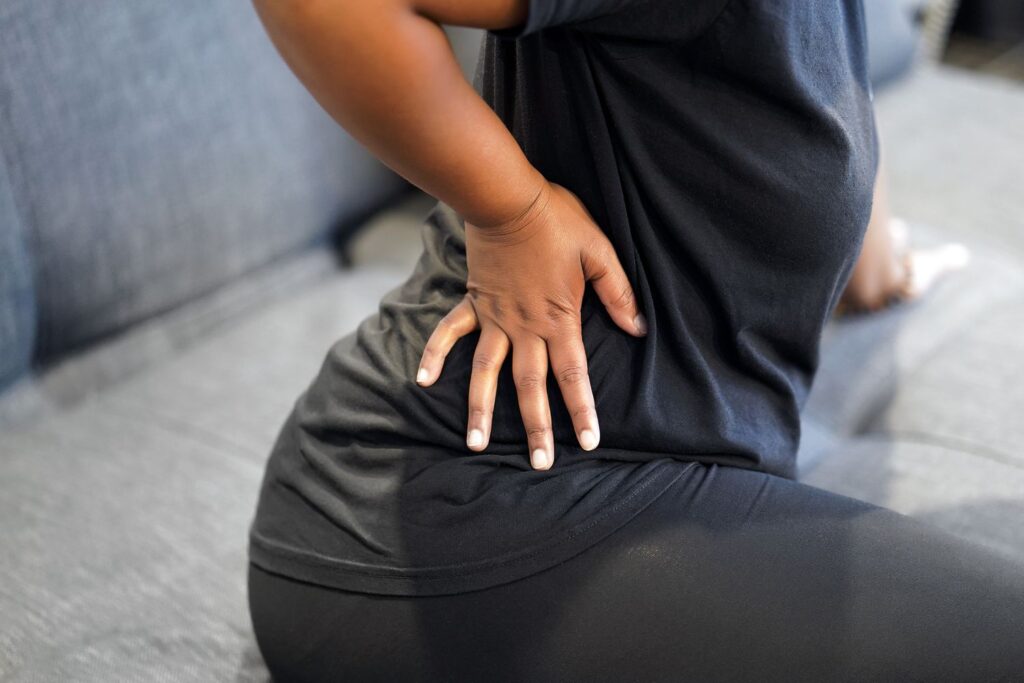
Common symptoms may include:
- Groin pain
- Hip stiffness
- Buttock pain
- Pain in the thigh
- Clicking or catching sensations
- Difficulty walking
- Pain climbing stairs
- Reduced flexibility
- Pain after prolonged sitting
- Pain after a fall or injury
Some patients also experience limping or difficulty standing upright after prolonged activity.
What Could Be Causing Your Hip Symptoms?
Several hip and musculoskeletal conditions may cause similar symptoms. A proper assessment helps identify the underlying cause.
Because hip pain may overlap with spine or knee conditions, relying on symptoms alone may not always provide an accurate diagnosis. Imaging and clinical examination may help determine whether symptoms are related to cartilage wear, labral injury, arthritis, fractures, or other hip disorders.
| Symptom | Possible Conditions |
|---|---|
|
Groin pain |
Hip osteoarthritis, labral tear
|
|
Clicking or catching |
Labral injury, hip impingement |
|
Difficulty walking |
Hip arthritis, hip fracture |
|
Hip stiffness |
Osteoarthritis, cartilage wear |
|
Pain after sports |
Labral tear, tendon injury |
|
Pain after a fall |
Hip fracture, joint injury |
Important Disclaimer:
This information is for general education only and should not be used to self-diagnose or self-treat. A medical assessment and imaging may be necessary to determine the exact cause of symptoms.
When Should You See a Hip Pain Specialist in Singapore?
Some hip conditions improve with rest and rehabilitation, while others may gradually worsen over time.
Persistent hip pain should not be ignored, particularly when it begins affecting walking, exercise, sleep, or daily activities. Early assessment may help identify structural problems before they progress further.
You may wish to seek medical assessment if you experience:
- Persistent hip pain
- Groin pain during walking
- Hip stiffness affecting movement
- Clicking or locking sensations
- Difficulty climbing stairs
- Pain affecting sleep
- Pain after a sports injury
- Pain following a fall or accident
Early assessment may help identify cartilage damage, labral tears, fractures, or degenerative hip conditions before symptoms progress further.
How Hip Conditions Are Diagnosed
Because hip pain may sometimes resemble lower back or knee pain, accurate diagnosis is important.
A detailed assessment helps determine whether symptoms are originating from the hip joint itself or from nearby structures such as the lower spine, pelvis, or surrounding muscles.
Assessment usually begins with understanding:
- Where the pain occurs
- Which movements trigger symptoms
- Walking limitations
- Activity levels
- Injury history
A consultation may include:
- Physical examination
- Movement assessment
- Stability testing
- Walking evaluation
- X-rays
- MRI scans
- CT scans in selected cases
Investigations may help identify:
- Hip osteoarthritis
- Labral tears
- Cartilage injuries
- Hip fractures
- Structural abnormalities
Additional investigations may sometimes be recommended if other underlying conditions are suspected.
Hip Pain Treatment in Singapore
Treatment depends on:
- The underlying condition
- Severity of symptoms
- Imaging findings
- Functional limitations
- Age and activity level
Not all conditions require surgery.
Treatment recommendations are usually tailored according to the patient’s mobility goals, daily activity demands, and overall joint condition. In many cases, conservative treatment is considered before surgical options.
Physiotherapy and Rehabilitation
Physiotherapy may help:
- Improve flexibility
- Strengthen supporting muscles
- Improve hip movement
- Reduce stiffness
- Improve walking mechanics
Exercise programmes are usually tailored according to the patient’s symptoms and mobility goals.
Patients recovering from hip injuries or arthritis may benefit from guided rehabilitation and strengthening exercises.
Physiotherapy may also help improve posture, muscle balance, and joint stability to reduce stress on the hip during movement.
Medication and Pain Management
Medication may sometimes be used to:
- Reduce inflammation
- Improve comfort
- Relieve stiffness
- Support rehabilitation
Treatment recommendations depend on symptoms and medical history.
Some medications may help manage flare-ups and support participation in rehabilitation or daily activities.
Treatment recommendations depend on symptoms and medical history.
Medication and Injections
Injections may sometimes be considered for:
- Hip arthritis-related pain
- Joint inflammation
- Labral irritation
- Diagnostic clarification
Some injections may help reduce pain and support rehabilitation.
Not all patients require injections.
In selected patients, injections may also help confirm whether the hip joint itself is the main source of pain.
Minimally Invasive Hip Procedures
Minimally invasive procedures such as hip arthroscopy may sometimes be considered for:
- Labral tears
- Cartilage injuries
- Hip impingement
- Selected sports-related hip conditions
Hip arthroscopy uses smaller incisions and specialised instruments to assess or treat certain hip problems.
Treatment recommendations depend on imaging findings, symptoms, and functional goals.
Not all patients are suitable candidates for hip arthroscopy, and treatment decisions are based on the underlying condition and severity of joint damage.
Hip Replacement Surgery
Hip replacement surgery may sometimes be considered for severe hip arthritis when:
- Pain significantly affects walking
- Stiffness limits movement
- Daily activities become difficult
- Conservative treatment no longer provides sufficient relief
The decision to proceed with surgery depends on symptoms, imaging findings, mobility limitations, and the patient’s quality of life.
Total Hip Replacement (THR)
Total hip replacement (THR) involves replacing damaged parts of the hip joint with artificial components.
The procedure aims to improve:
- Joint movement
- Walking ability
- Stability
- Daily function
Some patients may be suitable for minimally invasive hip replacement approaches depending on their condition and surgical requirements.
Treatment recommendations depend on imaging findings, symptoms, overall health, and mobility goals.
Recovery and rehabilitation after THR are tailored individually, with gradual progression back to walking and daily activities.
Living with Hip Pain
Persistent hip pain may gradually affect walking, exercise, posture, sleep, and quality of life.
Many patients try to reduce activity levels to avoid discomfort, but prolonged inactivity may sometimes contribute to stiffness and muscle weakness over time.
Helpful measures may include:
- Maintaining mobility
- Physiotherapy
- Weight management
- Low-impact exercise
- Strengthening exercises
Persistent symptoms should still be medically assessed, especially after falls, injuries, or worsening stiffness.
Why Patients Seek a Hip Pain Specialist Singapore
Patients may seek consultation for:
- Hip osteoarthritis
- Groin pain
- Hip stiffness
- Labral tears
- Hip fractures
- Cartilage injuries
- Hip impingement
- Difficulty walking
- Total hip replacement evaluation
- Failed conservative treatment
Mash Spine & Orthopaedics provides assessment and treatment for hip conditions, sports injuries, and degenerative joint problems at Farrer Park Medical Centre.
Treatment plans are tailored according to symptoms, imaging findings, activity levels, and recovery goals.
Frequently Asked Questions About Hip Pain
Is hip pain always caused by arthritis?
No. Hip pain may also result from labral tears, tendon injuries, cartilage damage, fractures, or referred pain from the spine.
What is a hip labral tear?
A labral tear involves damage to the cartilage rim that helps stabilise the hip joint.
Can young adults develop hip problems?
Yes. Young adults may develop hip pain from sports injuries, labral tears, hip impingement, or overuse-related conditions.
Do all hip fractures require surgery?
Treatment depends on the type and severity of the fracture, as well as the patient’s mobility and overall health.
What is total hip replacement (THR)?
THR is a procedure that replaces damaged parts of the hip joint with artificial components to improve movement and function.
When should I see a doctor for hip pain?
You should seek medical assessment if hip pain persists, affects walking, worsens over time, or develops after injury or a fall.

Book a Consultation at Mash Spine & Orthopaedics
If you are experiencing persistent hip pain, groin pain, stiffness, mobility problems, or symptoms related to hip arthritis, labral tears, or hip injuries, schedule a consultation at Mash Spine & Orthopaedics in Singapore.
Our clinic provides assessment and treatment for hip conditions, including hip osteoarthritis, labral tears, cartilage injuries, hip fractures, and sports-related hip pain.
A detailed assessment can help identify the underlying cause of your symptoms and guide suitable treatment options, including physiotherapy, injections, minimally invasive procedures, rehabilitation, or hip replacement surgery where appropriate.