Sports Injuries
ACL Tears, Tendon Injuries, Overuse Injuries, and Return-to-Sport Care
When Staying Active Leads to Pain or Injury
Sports and exercise place repeated stress on the muscles, joints, ligaments, tendons, and bones. Whether you are a competitive athlete, recreational runner, football player, gym enthusiast, or someone exercising for fitness, injuries can occur from sudden impact, repetitive strain, overtraining, or improper movement mechanics.
Some sports injuries happen suddenly, such as an ACL tear during football or a shoulder dislocation after a fall. Others develop gradually over time, such as tendon irritation, shin splints, or chronic knee pain from repetitive loading.
At Mash Spine & Orthopaedics, treatment is tailored according to the patient’s symptoms, sport, activity level, imaging findings, and recovery goals. Treatment may include physiotherapy, rehabilitation, injections, PRP therapy, minimally invasive procedures, or surgery where appropriate.

Why Sports Injuries Can Affect More Than Just Performance
Sports injuries do not only affect professional athletes. They can affect anyone participating in:
The knee is made up of several important structures that work together to provide stability and movement.
- Football
- Running
- Gym training
- Basketball
- Cycling
- Racquet sports
- Fitness classes
- Recreational exercise
Sports injuries may affect:
- Ligaments
- Tendons
- Muscles
- Cartilage
- Bones
- Joints
- The spine
When these structures become injured or overloaded, patients may develop:
- Pain
- Swelling
- Weakness
- Instability
- Reduced mobility
- Difficulty returning to sport
Without proper rehabilitation, some injuries may increase the risk of reinjury or long-term joint problems.
Sports and Common Injuries
Different sports place stress on different parts of the body.
Understanding how specific sports contribute to certain injury patterns may help guide treatment, rehabilitation, and injury prevention strategies.
Football / Soccer Injuries
Football and soccer involve:
- Pivoting
- Sprinting
- Sudden directional changes
- Jumping
- Physical contact
Common injuries may include:
- ACL tear Singapore
- Meniscus injuries
- Ankle sprains
- Hamstring strains
- Knee ligament injuries
ACL injuries are particularly common during sudden twisting movements or awkward landings.
Running and Athletics Injuries
Running places repetitive stress on the lower limbs, particularly during high mileage or training progression.
Common running-related injuries include:
- Shin splints
- Stress fractures
- Achilles tendon irritation
- Plantar fasciitis
- Knee overuse injuries
- Hip tendon problems
Biomechanics, footwear, training load, and recovery may influence injury risk.
Gym and Weightlifting Injuries
Gym-related injuries may occur due to:
- Heavy lifting
- Improper technique
- Repetitive strain
- Overtraining
Common gym injuries may include:
- Shoulder labral tears
- Rotator cuff injuries
- Herniated discs
- Wrist injuries
- Lower back strain
- Tendon irritation
Patients involved in strength training may also develop chronic overload injuries affecting tendons and joints.
Racquet Sports Injuries
Sports such as tennis and badminton may contribute to:
Cartilage damage may occur due to:
- Tennis elbow
- Rotator cuff irritation
- Wrist strains
- Shoulder impingement
- Tendon overuse injuries
Repetitive overhead movement and forceful gripping may place stress on tendons and joints over time.
Cycling and Endurance Sports Injuries
Cycling and endurance sports may contribute to:
- Knee pain
- Hip tightness
- Neck strain
- Lower back pain
- Overuse of tendon injuries
Poor bike fit, repetitive posture, and prolonged training sessions may increase strain on muscles and joints.
Common Sports Injuries We Treat
Sports injuries may affect different parts of the body depending on the sport, movement pattern, and mechanism of injury.
ACL Tear Singapore
The anterior cruciate ligament (ACL) helps stabilise the knee during pivoting and directional changes.
ACL tears commonly occur during:
- Football
- Basketball
- Jumping sports
- Sudden twisting injuries
Symptoms may include:
- A popping sensation
- Knee swelling
- Instability
- Difficulty pivoting
- Reduced confidence during movement
Some patients may require surgery depending on instability, activity demands, and return-to-sport goals.
Meniscus and Cartilage Injuries
The meniscus and cartilage help cushion and stabilise the joints.
Sports injuries may cause:
- Meniscus tears
- Cartilage damage
- Joint locking
- Swelling
- Pain during twisting movements
Some injuries may coexist with ACL tears or ligament instability.
Tendon Injuries
Tendon injuries may develop gradually from repetitive loading or suddenly after forceful movement.
Common tendon injuries include:
- Achilles tendinitis
- Patellar tendinitis
- Rotator cuff tendinitis
- Tennis elbow
- Hamstring tendon injuries
Symptoms may include:
- Pain during activity
- Morning stiffness
- Tenderness
- Reduced strength
- Pain worsens with repeated movement
Shoulder Sports Injuries
Sports involving throwing, overhead movement, or contact may increase the risk of:
- Rotator cuff tears
- Labral tears
- Shoulder instability
- Shoulder dislocations
Symptoms may include:
- Pain during lifting
- Weakness
- Shoulder clicking Instability
- Instability
- Difficulty returning to sports
Spine-Related Sports Injuries
Sports injuries may also affect the spine, particularly during:
- Heavy lifting
- Repetitive twisting
- Impact sports
- Sudden forceful movement
Common conditions may include:
- Slipped discs
- Sciatica
- Muscle strains
- Stress-related back pain
Some athletes develop pain that radiates into the arms or legs due to nerve irritation.
Symptoms That Suggest a Sports Injury
Not every ache after exercise indicates a serious injury, but persistent or worsening symptoms should not be ignored.
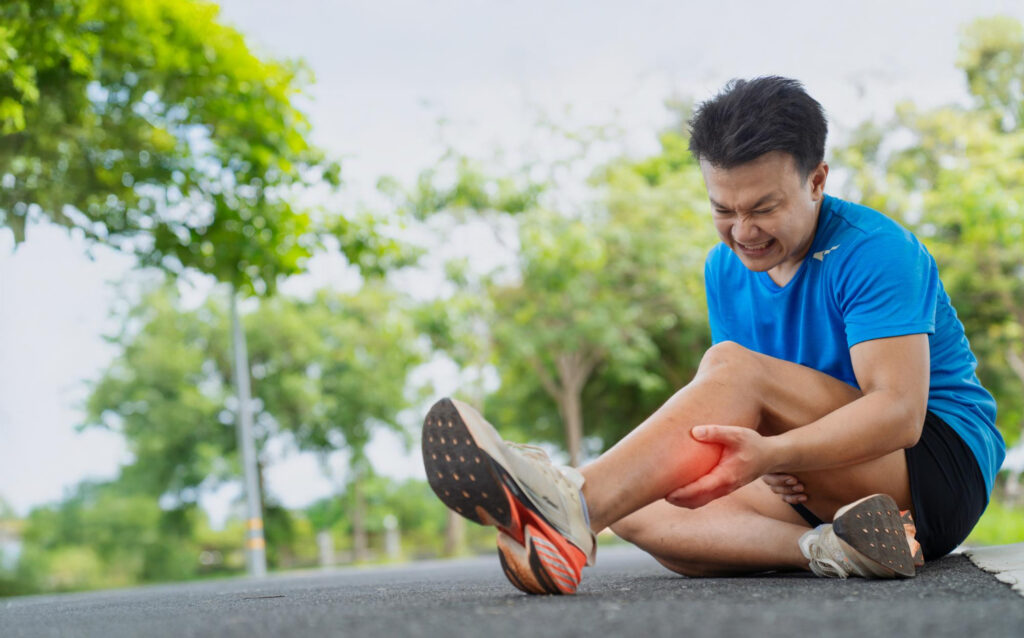
Common symptoms may include:
- Pain during or after activity
- Swelling
- Bruising
- Joint instability
- Clicking or locking sensations
- Weakness
- Reduced movement
- Difficulty running or jumping
- Pain that does not improve with rest
Some athletes may also notice reduced performance or hesitation during sports movements after injury.
What Could Be Causing Your Sports Injury Symptoms?
Several sports injuries may produce similar symptoms. Proper assessment helps identify the underlying cause.
| Symptom | Possible Conditions |
|---|---|
|
Knee instability |
ACL tear, ligament injury |
|
Heel pain while running |
Achilles tendinitis, plantar fasciitis |
|
Shoulder pain during lifting |
Rotator cuff injury, labral tear |
|
Elbow pain during gripping |
Tennis elbow |
|
Lower back pain after lifting |
Muscle strain, slipped disc |
|
Swelling after a twisting injury |
Ligament injury, meniscus tear |
Important Disclaimer:
This information is for general education only and should not be used to self-diagnose or self-treat. A medical assessment and imaging may be necessary to determine the exact cause of symptoms.
When Should You See a Sports Injury Specialist in Singapore?
Some sports injuries improve with rest and rehabilitation, while others may worsen without proper assessment or treatment.
You may wish to seek medical assessment if you experience:
- Persistent pain during sports
- Swelling after activity
- Joint instability
- Difficulty returning to training
- Repeated injuries
- Weakness during movement
- Clicking or locking sensations
- Pain that does not improve with rest
Early assessment may help identify ligament injuries, tendon problems, cartilage damage, fractures, or overuse injuries before symptoms progress further.
How Sports Injuries Are Diagnosed
Because sports injuries often overlap in symptoms, accurate diagnosis is important.
Assessment usually begins with understanding:
- The type of sport
- The mechanism of injury
- Training intensity
- Previous injuries
- Activity goals
- Functional limitations
A consultation may include:
- Physical examination
- Strength testing
- Stability assessment
- Movement evaluation
- X-rays
- MRI scans
- Ultrasound imaging in selected cases
Imaging may help identify:
- Ligament tears
- Tendon injuries
- Cartilage damage
- Fractures
- Muscle injuries
Activity review and movement analysis may also help identify contributing biomechanical factors.
Sports Injury Treatment in Singapore
Treatment depends on:
- The type of injury
- Severity of symptoms
- Sport-specific demands
- Imaging findings
- Return-to-sport goals
Not all sports injuries require surgery.
Conservative treatment is often considered first, particularly for overuse injuries, mild ligament injuries, and tendon irritation.
Physiotherapy and Rehabilitation
Physiotherapy may help:
- Restore strength
- Improve flexibility
- Improve balance and stability
- Reduce reinjury risk
- Support safe return to sport
Rehabilitation programmes are tailored according to the sport, injury type, and recovery stage.
Rest and Activity Modification
Temporary activity modification may help reduce stress on injured tissues while healing occurs.
Some athletes may continue modified or low-impact exercise depending on the injury and stage of recovery.
Medication and Pain Management
Medication may sometimes be used to:
- Reduce inflammation
- Improve comfort
- Support rehabilitation
- Manage flare-ups
Treatment recommendations depend on symptoms and medical history.
PRP Therapy for Sports Injuries
Platelet-rich plasma (PRP) therapy may sometimes be considered for selected tendon, ligament, or overuse injuries.
PRP involves using components from the patient’s own blood and may sometimes be considered alongside rehabilitation programmes.
Not all injuries are suitable for PRP treatment, and recommendations depend on the specific condition and severity of injury.
Injections for Sports Injuries
Injections may sometimes be considered for:
- Tendon irritation
- Joint inflammation
- Pain management
- Certain overuse injuries
Treatment recommendations depend on the diagnosis and recovery goals.
Surgery for Sports Injuries
Surgery may sometimes be considered for:
- ACL tears
- Significant ligament injuries
- Tendon ruptures
- Shoulder instability
- Cartilage injuries
- Meniscus tears
Procedures may involve:
- Ligament reconstruction
- Tendon repair
- Arthroscopy
- Cartilage procedures
Return to Sport After Injury
Returning to sport too early may increase the risk of reinjury or delayed recovery.
Return-to-sport planning may involve:
- Strength assessment
- Balance testing
- Movement evaluation
- Sport-specific rehabilitation
- Progressive training
Recovery timelines vary depending on:
- The injury type
- Severity
- Rehabilitation progress
- Individual healing response
Safe return-to-sport decisions are usually based on function and recovery rather than time alone.
Living with Sports Injuries
Sports injuries may gradually affect:
- Exercise participation
- Athletic performance
- Mobility
- Work activities
- Confidence during movement
Helpful measures may include:
- Proper warm-up routines
- Progressive training
- Recovery management
- Physiotherapy
- Strengthening exercises
- Biomechanical correction
Persistent symptoms should still be medically assessed, especially if instability, swelling, or recurrent injuries occur.
Why Patients Seek a Sports Injury Clinic in Singapore
Patients may seek consultation for:
- Sports injury specialist Singapore
- Sports injury clinic Singapore
- ACL tear Singapore
- Tendon injuries
- Ligament injuries
- Football injuries
- Running injuries
- Gym injuries
- PRP therapy
- Return-to-sport rehabilitation
Mash Spine & Orthopaedics provides assessment and treatment for sports injuries at Farrer Park Medical Centre.
Treatment plans are tailored according to the athlete’s symptoms, sport, imaging findings, activity level, and return-to-sport goals.
Frequently Asked Questions About Sports Injuries
Should I stop exercising completely after a sports injury?
Not always. Some injuries allow modified or low-impact activity during recovery.
Do all ligament tears require surgery?
No. Some ligament injuries may improve with physiotherapy and rehabilitation, depending on the severity and instability.
How can I tell if pain is soreness or an injury?
Pain that persists, worsens, causes swelling, or affects movement may require assessment.
Can sports injuries be prevented?
While not all injuries are preventable, conditioning, strength training, proper technique, and recovery strategies may help reduce risk.
How soon can I return to sports after injury?
Recovery timelines vary depending on the injury type, severity, rehabilitation progress, and sport-specific demands.

Book a Consultation at Mash Spine & Orthopaedics
If you are experiencing persistent sports-related pain, ligament injuries, tendon problems, ACL tears, gym injuries, running injuries, or difficulty returning to sport, schedule a consultation with Dr Mohd Mashfiqul Arafin Siddiqui at Mash Spine & Orthopaedics in Singapore.
As an orthopaedic and spine doctor in Singapore, Dr Mash provides assessment and treatment for sports injuries affecting athletes, active individuals, and recreational exercisers.
A detailed assessment at Mash Spine & Orthopaedics can help identify the underlying cause of your symptoms and guide suitable treatment options, including physiotherapy, rehabilitation, PRP therapy, injections, minimally invasive procedures, surgery, and structured return-to-sport care where appropriate.