Lower Back Pain
Chronic Lower Back Pain, Lumbar Pain, and Treatment Options
Is Your Lower Back Pain Starting to Affect Daily Life?
Lower back pain is one of the most common reasons people seek medical attention. While some episodes improve with rest, others may persist for weeks or return repeatedly, affecting work, sleep, exercise, and daily movement.
Lower back pain does not always stay in the lower back itself. Pain may spread into the hips, buttocks, or legs, making it uncomfortable to sit, stand, walk, bend, or lift for prolonged periods.
At Mash Spine & Orthopaedics, lower back pain treatment in Singapore is tailored to the patient’s symptoms, lifestyle, imaging findings, and functional needs. Treatment may include physiotherapy, posture correction, medication, spinal injections, rehabilitation, or surgery where appropriate.

Why Lower Back Pain Doesn’t Always Stay in the Back
The lower back, hips, pelvis, joints, muscles, and nerves work closely together during movement. Because these structures are connected, pain may sometimes appear in more than one area at the same time.
Some patients experience:
- Pain spreading into the hips or buttocks
- Tightness in the lower back
- Pain while standing or walking
- Stiffness after sitting
- Pain radiating into the legs
- Muscle spasms
- Difficulty bending or lifting
Symptoms may develop gradually over time or appear suddenly after lifting, sports activities, prolonged sitting, or awkward movement.
What Usually Causes Lower Back Pain?
Lower back pain may have many different causes. Some are related to muscles and posture, while others involve the spinal discs, joints, or nerves.
Muscle Strain and Ligament Injury
Muscle strain is one of the most common causes of lumbar pain.
This may happen due to:
- Heavy lifting
- Sudden twisting
- Poor posture
- Repetitive movements
- Sports injuries
- Prolonged sitting
Symptoms may include stiffness, muscle tightness, and pain that worsens with movement.
Disc Degeneration and Wear-and-Tear Changes
As people age, spinal discs gradually lose hydration and flexibility. This process is known as disc degeneration.
Disc degeneration may contribute to:
- Chronic back pain
- Stiffness
- Reduced flexibility
- Disc bulging
- Nerve irritation
Degenerative changes may occur gradually over many years and are commonly associated with chronic lower back pain in adults.
Slipped Disc (Lumbar Disc Herniation)
A slipped disc occurs when a spinal disc bulges or ruptures and irritates nearby nerves.
Symptoms may include:
- Lower back pain
- Sciatica
- Tingling or numbness
- Leg weakness
- Pain travelling down the leg
Lumbar disc problems commonly affect the L4 L5 and L5 S1 levels of the spine.
Arthritis and Lumbar Spondylosis
Wear-and-tear changes affecting the spine joints may lead to lumbar spondylosis or spinal arthritis.
This may cause:
- Chronic stiffness
- Pain after prolonged standing
- Reduced movement
- Morning stiffness
- Pain worsened by activity
Symptoms may include stiffness, muscle tightness, and pain that worsens with movement.
Poor Posture and Sedentary Lifestyle
Posture plays an important role in spinal health.
Prolonged sitting, poor workstation setup, lack of movement, and weak core muscles may place additional strain on the lower back and surrounding muscles.
Over time, this may contribute to recurring or chronic back pain.
Nerve Compression and Sciatica
When spinal nerves become irritated or compressed, pain may travel into the buttocks, thighs, calves, or feet.
This may occur due to:
- Slipped discs
- Spinal stenosis
- Disc degeneration
- Bone spurs
- Joint-related narrowing
Nerve-related symptoms may include tingling, numbness, burning pain, or weakness.
What Symptoms Can Lower Back Problems Cause?
Symptoms vary depending on the underlying cause and whether muscles, joints, discs, or nerves are involved.
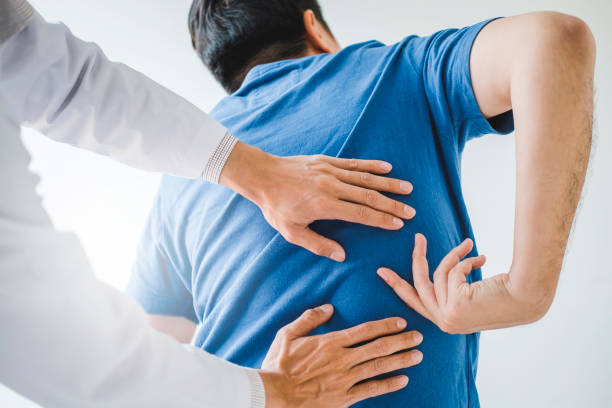
Common symptoms may include:
- Lower back pain
- Hip or buttock pain
- Lumbar stiffness
- Pain spreading into the legs
- Muscle spasms
- Tingling or numbness
- Weakness in the legs
- Difficulty standing upright
- Pain after prolonged sitting
- Pain worsened by bending or lifting
Some patients experience intermittent flare-ups, while others develop chronic lower back pain affecting daily function.
What Could Be Causing Your Symptoms?
Many spine and musculoskeletal conditions may cause similar symptoms. A proper assessment helps identify the underlying cause.
| Symptom | Possible Conditions |
|---|---|
|
Lower back pain |
Muscle strain, disc degeneration, slipped disc |
|
Pain spreading into the buttocks |
Lumbar strain, sacroiliac joint irritation |
|
Pain down the leg |
Sciatica, nerve compression |
|
Tingling or numbness |
Radiculopathy, nerve irritation |
|
Morning stiffness |
Arthritis, lumbar spondylosis |
|
Difficulty standing or walking |
Spinal stenosis, chronic lumbar degeneration |
Important Disclaimer:
This information is for general education only and should not be used to self-diagnose or self-treat. A medical assessment and imaging may be necessary to determine the exact cause of symptoms.
When Should You See a Spine Doctor for Lower Back Pain?
Many episodes of lower back pain improve with rest or conservative care. However, persistent or worsening symptoms may require medical assessment.
You may wish to seek medical attention if you experience:
- Pain lasting more than several weeks
- Pain spreading into the legs
- Tingling or numbness
- Difficulty walking or standing upright
- Weakness in the legs
- Pain after a fall or injury
- Recurring chronic back pain
- Symptoms affecting work or sleep
Early assessment may help identify structural spine problems or nerve compression before symptoms progress.
How Lower Back Pain Is Diagnosed
Because many spine conditions can produce similar symptoms, accurate diagnosis is important.
Assessment usually begins with understanding:
- Where pain occurs
- What movements worsen symptoms
- Whether nerve symptoms are present
- How symptoms affect daily activities
A consultation may include:
- Physical examination
- Movement assessment
- Neurological testing
- X-rays
- MRI scans
- CT scans
- Diagnostic spinal injections in selected cases
Imaging may help identify:
- Disc degeneration
- Slipped discs
- Arthritis
- Spinal stenosis
- Nerve compression
Nerve studies are sometimes recommended in patients with suspected carpal tunnel syndrome or cubital tunnel syndrome.
Lower Back Pain Treatment in Singapore
Lower back pain treatment depends on:
- The underlying cause
- Severity of symptoms
- Duration of pain
- Imaging findings
- Functional limitations
Treatment often begins conservatively before surgery is considered.
Physiotherapy for Lower Back Pain
Physiotherapy may help:
- Improve flexibility
- Strengthen supporting muscles
- Improve posture
- Reduce stiffness
- Support spinal movement
Exercise and rehabilitation programmes are usually tailored to the patient’s symptoms and functional goals.
Patients with chronic lower back pain may benefit from guided strengthening and posture correction programmes.
Lifestyle and Posture Modifications
Simple adjustments may sometimes reduce ongoing strain on the lower back.
Recommendations may include:
Simple adjustments may sometimes reduce ongoing strain on the lower back.
- Ergonomic workstation setup
- Avoiding prolonged sitting
- Core strengthening
- Weight management
- Safe lifting techniques
- Regular stretching
- Low-impact exercise
Improving posture and movement habits may help reduce recurring lumbar pain.
Medication for Pain and Inflammation
Medication may sometimes be used to:
- Reduce inflammation
- Relieve muscle spasm
- Improve comfort
- Support rehabilitation
Medication recommendations depend on the patient’s condition and medical history.
Spinal Injection Treatment
Spinal injections may sometimes be considered for:
- Nerve irritation
- Chronic lower back pain
- Sciatica
- Diagnostic clarification
- Persistent inflammation
Image-guided injections may help target specific areas contributing to pain.
Not all patients require spinal injections.
When Might Surgery Be Considered?
Most lower back pain does not require surgery.
However, surgery may sometimes be considered when:
- Nerve compression becomes severe
- Walking becomes difficult
- Weakness develops
- Pain persists despite conservative treatment
- Structural instability affects function
Treatment recommendations are based on clinical assessment and imaging findings.
Living with Chronic Lower Back Pain
Chronic back pain can gradually affect work, exercise, sleep, travel, and daily movement.
Many patients benefit from:
- Staying physically active
- Regular stretching
- Guided rehabilitation
- Good posture habits
- Avoiding prolonged sitting
- Strengthening exercises
Persistent symptoms should still be medically assessed to rule out structural or nerve-related problems.
Why Patients Seek a Lower Back Pain Specialist Singapore
Patients may seek consultation for:
- Chronic lower back pain
- Lumbar pain
- Disc degeneration
- Slipped discs
- Sciatica
- Muscle strain
- Nerve compression
- Failed conservative treatment
- Second opinions regarding surgery
Mash Spine & Orthopaedics is a spine clinic in Singapore providing assessment and treatment for spine and musculoskeletal conditions at Farrer Park Medical Centre.
Treatment plans are tailored according to symptoms, imaging findings, activity levels, and recovery goals.
Frequently Asked Questions About Lower Back Pain
What is the most common cause of lower back pain?
Common causes include muscle strain, disc degeneration, poor posture, slipped discs, and spinal arthritis.
Can poor posture cause chronic back pain?
Yes. Poor posture and prolonged sitting may place additional strain on the lower back and surrounding muscles.
Does every slipped disc require surgery?
No. Many slipped discs improve with physiotherapy, medication, and rehabilitation.
When should lower back pain be considered serious?
Lower back pain should be medically assessed if symptoms persist, worsen, spread into the legs, or cause weakness or numbness.
Can physiotherapy help lower back pain?
Yes. Physiotherapy may help improve movement, strengthen supporting muscles, and reduce pain in selected patients.
What are spinal injections used for?
Spinal injections may sometimes help reduce inflammation, relieve nerve irritation, or help identify the source of pain.
Book a Consultation at Mash Spine & Orthopaedics
If you are experiencing chronic lower back pain, lumbar pain, sciatica, stiffness, or symptoms related to disc degeneration or nerve compression, schedule a consultation with Dr Mohd Mashfiqul Arafin Siddiqui at Mash Spine & Orthopaedics in Singapore.
As a spine specialist and spine doctor in Singapore, Dr Mash provides assessment and treatment for conditions affecting the spine, spinal nerves, muscles, and joints.
A detailed assessment at our spine clinic can help identify the underlying cause of your symptoms and guide suitable treatment options, including physiotherapy, rehabilitation, posture correction, spinal injections, minimally invasive procedures, or surgery where appropriate.