Neck Pain
Cervical Spine Problems, Stiff Neck Symptoms, and Treatment Options
Is Your Neck Pain Affecting Your Shoulders and Upper Back?
Neck pain does not always stay in the neck. In some cases, pain may spread into the shoulders, shoulder blades, upper back, or arms, making it uncomfortable to work, sleep, drive, exercise, or perform daily activities.
Some people experience temporary stiffness after long hours at a desk, while others develop persistent neck pain related to cervical spine conditions, nerve compression, muscle strain, or wear-and-tear changes.
At Mash Spine & Orthopaedics, neck pain treatment in Singapore is tailored to the patient’s symptoms, imaging findings, lifestyle, and functional needs. Treatment may include physiotherapy, posture correction, medication, injections, rehabilitation, minimally invasive procedures, or surgery where appropriate.

Why Neck Pain Often Radiates to the Shoulders
The cervical spine contains joints, muscles, discs, ligaments, and nerves that connect directly to the shoulders, shoulder blades, arms, and upper back.
When structures in the neck become irritated or compressed, pain and tension may spread beyond the neck itself.
Some patients experience:
- Shoulder blade pain
- Upper back tightness
- Trapezius muscle tension
- Arm pain
- Headaches
- Tingling or numbness in the hands
- Stiff neck symptoms
- Difficulty turning the head
Symptoms may worsen after:
- Long hours using computers or mobile devices
- Poor posture
- Driving
- Prolonged sitting
- Lifting or repetitive movement
- Sports injuries
- Whiplash injuries
What Usually Causes Neck Pain?
Neck pain may have several possible causes ranging from muscle tension to cervical spine degeneration or nerve compression.
Muscle Strain and Trapezius Tension
Muscle strain is one of the most common causes of neck and shoulder discomfort.
The trapezius muscles, which extend from the neck into the shoulders and upper back, may become tight or strained due to:
- Poor posture
- Stress or tension
- Prolonged desk work
- Repetitive movements
- Heavy lifting
- Poor sleeping positions
This may lead to:
- Stiff neck
- Shoulder tightness
- Upper back aching
- Reduced neck movement
Cervical Spondylosis
Cervical spondylosis refers to age-related wear-and-tear changes affecting the cervical spine.
Over time, the discs and joints in the neck gradually degenerate, which may contribute to:
- Chronic neck pain
- Stiffness
- Reduced flexibility
- Headaches
- Nerve irritation
Cervical spondylosis is common in adults and may gradually worsen over time.
Cervical Disc Problems
A slipped disc in the neck occurs when a cervical disc bulges or ruptures and presses on nearby nerves.
Symptoms may include:
- Neck pain
- Shoulder pain
- Arm pain
- Tingling in the fingers
- Hand weakness
- Nerve-related symptoms
Some cervical disc problems may irritate spinal nerves travelling into the shoulders and arms.
Nerve Compression (Cervical Radiculopathy)
Nerve compression in the cervical spine may occur due to:
- Disc herniation
- Bone spurs
- Cervical spondylosis
- Narrowing around spinal nerves
This may lead to:
- Tingling or numbness
- Arm weakness
- Burning pain
- Electric shock-like sensations
- Pain radiating into the shoulder or arm
Whiplash and Neck Injuries
Whiplash injuries may occur after sudden jerking movements of the neck, such as during motor vehicle accidents or sports injuries.
Symptoms may include:
- Severe neck stiffness
- Muscle spasm
- Headaches
- Shoulder pain
- Reduced neck movement
Some symptoms may appear immediately, while others develop gradually after injury.
What Symptoms Can Neck Problems Cause?
Symptoms vary depending on whether muscles, joints, discs, or nerves are involved.
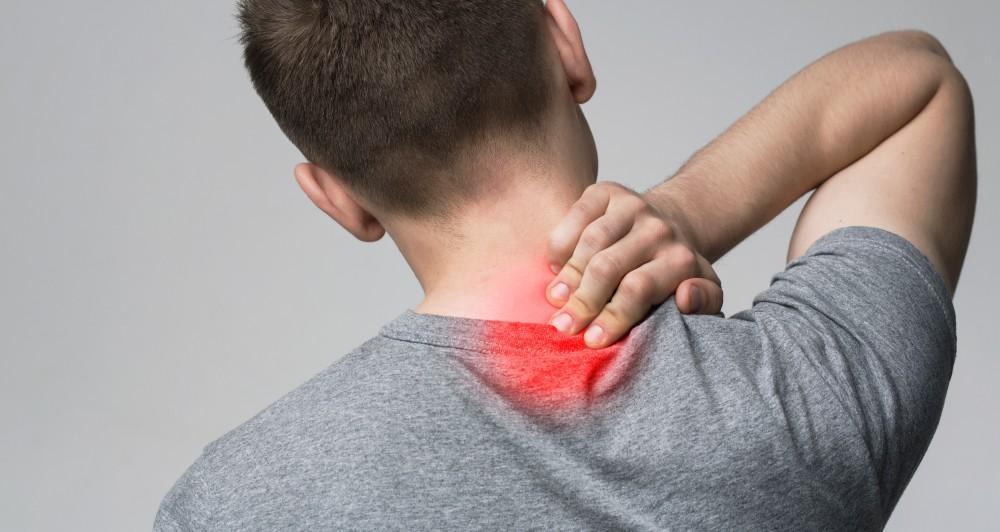
Common symptoms may include:
- Neck pain
- Stiff neck
- Shoulder blade pain
- Trapezius tightness
- Upper back aching
- Headaches
- Pain radiating into the arm
- Tingling or numbness
- Arm weakness
- Pain worsened by movement
Some patients experience intermittent flare-ups, while others develop chronic neck pain affecting daily function.
What Could Be Causing Your Symptoms?
Many cervical spine and musculoskeletal conditions may produce similar symptoms. A proper medical assessment helps identify the underlying cause.
| Symptom | Possible Conditions |
|---|---|
|
Lower back pain |
Muscle strain, disc degeneration, slipped disc |
|
Shoulder blade pain |
Trapezius tension, cervical spine irritation |
|
Tingling or numbness |
Nerve compression, cervical radiculopathy |
|
Arm pain |
Cervical disc herniation, nerve irritation |
|
Stiff neck |
Muscle spasm, poor posture, cervical degeneration |
|
Headaches with neck pain |
Cervical tension, neck muscle strain |
Important Disclaimer:
This information is for general education only and should not be used to self-diagnose or self-treat. A medical assessment and imaging may be necessary to determine the exact cause of symptoms.
When Should You See a Spine Doctor for Neck Pain?
Many cases of neck pain improve with rest, posture correction, or conservative treatment. However, persistent or worsening symptoms may require medical assessment.
You may wish to seek medical attention if you experience:
- Neck pain lasting several weeks
- Pain spreading into the shoulders or arms
- Tingling or numbness in the hands
- Weakness in the arms
- Severe stiffness after injury
- Pain affecting sleep or work
- Persistent headaches with neck pain
- Difficulty turning the head
Early assessment may help identify cervical spine problems or nerve compression before symptoms progress.
How Neck Pain Is Diagnosed
Neck pain and shoulder pain may sometimes overlap, which is why accurate diagnosis is important.
Assessment usually begins with understanding:
- Where symptoms occur
- Which movements worsen pain
- Whether nerve symptoms are present
- How symptoms affect daily activities
A consultation may include:
- Physical examination
- Reflex and strength testing
- Movement assessment
- X-rays
- MRI scans
- CT scans
- Diagnostic injections in selected cases
Imaging may help identify:
- Cervical disc problems
- Nerve compression
- Cervical spondylosis
- Degenerative spine conditions
- Structural abnormalities
Neck Pain Treatment in Singapore
Neck pain treatment depends on:
- The underlying cause
- Severity of symptoms
- Duration of symptoms
- Imaging findings
- Functional limitations
Treatment often begins conservatively before surgery is considered.
Physiotherapy for Neck Pain
Physiotherapy may help:
- Improve flexibility
- Reduce stiffness
- Improve posture
- Strengthen supporting muscles
- Reduce trapezius tension
- Improve neck movement
Exercise programmes are usually tailored to the patient’s symptoms and recovery goals.
Patients with chronic neck pain may benefit from guided rehabilitation combined with posture correction and ergonomic adjustments.
Posture and Ergonomic Adjustments
Poor posture may place ongoing strain on the cervical spine and surrounding muscles.
Recommendations may include:
- Proper workstation setup
- Screen height adjustments
- Frequent movement breaks
- Reducing prolonged device use
- Neck stretching exercises
- Supportive sleeping positions
Improving posture habits may help reduce recurring neck pain and stiffness.
Medication and Pain Relief
Medication may sometimes be used to:
- Reduce inflammation
- Relieve muscle spasm
- Improve comfort
- Support rehabilitation
Treatment recommendations depend on the patient’s symptoms and medical history.
Injections for Neck Pain and Nerve Irritation
Image-guided injections may sometimes be considered for:
- Cervical nerve irritation
- Chronic neck pain
- Inflammation around spinal joints
- Diagnostic clarification
Not all patients require injections.
When Might Surgery Be Considered?
Most neck pain does not require surgery.
However, surgery may sometimes be considered when:
- Nerve compression becomes severe
- Weakness develops
- Symptoms persist despite conservative treatment
- Spinal cord compression is present
- Daily function becomes significantly affected
Treatment recommendations are based on clinical assessment and imaging findings.
Living with Chronic Neck Pain
Neck pain can gradually affect work, concentration, sleep, exercise, and daily movement.
Many patients benefit from:
- Staying physically active
- Gentle stretching
- Physiotherapy
- Posture awareness
- Ergonomic improvements
- Regular movement breaks
Persistent or worsening symptoms should still be medically assessed.
Why Patients Seek a Neck Pain Specialist in Singapore
Patients may seek consultation for:
- Chronic neck pain
- Cervical spondylosis
- Cervical disc problems
- Stiff neck symptoms
- Nerve compression
- Shoulder blade pain
- Trapezius tension
- Whiplash injuries
- Failed conservative treatment
Mash Spine & Orthopaedics is a spine clinic in Singapore providing assessment and treatment for cervical spine and musculoskeletal conditions at Farrer Park Medical Centre.
Treatment plans are tailored according to symptoms, imaging findings, activity levels, and recovery goals.
Frequently Asked Questions About Neck Pain
What is the most common cause of neck pain?
Common causes include muscle strain, poor posture, cervical spondylosis, cervical disc problems, and nerve compression.
Can poor posture cause chronic neck pain?
Yes. Prolonged screen use and poor posture may place ongoing strain on the cervical spine and surrounding muscles.
What is cervical spondylosis?
Cervical spondylosis refers to age-related wear-and-tear changes affecting the cervical spine joints and discs.
Can neck problems cause tingling in the hands?
Yes. Cervical nerve compression may cause tingling, numbness, or weakness in the shoulders, arms, or hands.
Can physiotherapy help neck pain?
Yes. Physiotherapy may help improve flexibility, posture, movement, and muscle support in selected patients.
When should neck pain be considered serious?
Neck pain should be medically assessed if symptoms persist, worsen, spread into the arms, or cause weakness or numbness.

Book a Consultation at Mash Spine & Orthopaedics
If you are experiencing neck pain, shoulder blade pain, stiffness, trapezius tightness, headaches, or symptoms related to cervical spine problems or nerve compression, schedule a consultation with Dr Mohd Mashfiqul Arafin Siddiqui at Mash Spine & Orthopaedics in Singapore.
As a spine specialist and spine doctor in Singapore, Dr Mash provides assessment and treatment for conditions affecting the cervical spine, spinal nerves, muscles, and joints.
A detailed assessment at our spine clinic can help identify the underlying cause of your symptoms and guide suitable treatment options, including physiotherapy, rehabilitation, posture correction, injections, minimally invasive procedures, or surgery where appropriate.