It often starts subtly. A slight tingling in your fingers. A patch of numbness in your foot. Then one day, a sharp, shooting pain runs down your arm or leg and catches you off guard.
Many people describe it as an “electric shock” sensation. Others say it feels like pins and needles that just won’t go away. When symptoms travel rather than stay in one place, it raises an important question: could a nerve in the spine be involved?
One possible explanation is radiculopathy, a condition affecting the nerve roots as they exit the spine.
What Is Radiculopathy?
Radiculopathy happens when a nerve root, where the nerve exits the spine, becomes compressed or inflamed.
This can occur in:
- The neck (cervical spine)
- The mid-back (thoracic spine, less common)
- The lower back (lumbar spine)
When a nerve root is affected, symptoms are often felt along the path of that nerve, not just in the back or neck itself.
Key pointers:
- Symptoms often travel down an arm or leg
- Pain may feel sharp, burning, or electric
- Numbness or tingling can accompany pain
- Muscle weakness may develop in some cases
Why Does Radiculopathy Cause Numbness, Tingling, or Shooting Pain?
To understand these sensations, think of nerves as communication cables. They carry signals between your brain and your muscles and skin.
When a nerve root is compressed, commonly due to:
- A slipped (herniated) disc
- Age-related disc changes
- Bone spurs
- Narrowing of the spinal canal
The nerve cannot transmit signals properly.
Instead of smooth communication, the signals become distorted. This is why people may experience:
- Pins-and-needles sensations
- Areas of reduced sensation
- Shooting pain that follows a predictable path
- Weakness in specific muscle groups
For example:
- Cervical radiculopathy may cause symptoms in the shoulder, arm, or hand
- Lumbar radiculopathy may cause pain or tingling down the buttock, thigh, or leg
The pattern of symptoms often gives important diagnostic clues.
How Is Radiculopathy Different from General Back or Neck Pain?
It is common to assume that all back pain is the same. However, nerve-related pain behaves differently from muscle or joint discomfort.
Muscle strain typically:
- Feels dull or aching
- Stays localised
- Improves with rest
Radiculopathy often:
- Radiates down a limb
- Feels sharp or electric
- May worsen when coughing, sneezing, or bending
- Is associated with numbness or weakness
Recognising these differences helps determine whether the spine’s nerves may be involved.
When Should I Be Concerned About Nerve Symptoms?
Occasional tingling after sitting awkwardly is common. Persistent or progressive symptoms are different.
You may wish to seek medical advice if you notice:
- Numbness that does not resolve
- Shooting pain lasting more than a few weeks
- Weakness in the arm or leg
- Symptoms interfering with walking, gripping, or daily tasks
Urgent medical attention is required if there is:
- Loss of bladder or bowel control
- Severe or rapidly worsening weakness
Although uncommon, these signs require prompt evaluation.
How Is Radiculopathy Diagnosed?
Diagnosis starts with listening carefully to your symptom history. The description of where pain travels often provides important information.
Assessment typically includes:
- A detailed medical history
- Physical examination of strength, reflexes, and sensation
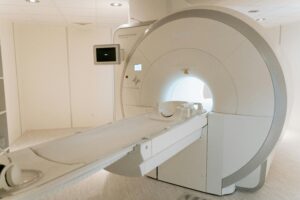
- Imaging such as MRI when clinically indicated
Imaging helps confirm whether a nerve root is compressed and identifies the likely cause.
What Are the Treatment Options for Radiculopathy?
Management depends on the severity of symptoms and underlying cause.
Approaches may include:
- Activity modification
- Medication to reduce inflammation or nerve irritation
- Physiotherapy
- Image-guided injections in selected cases
- Surgical intervention when conservative measures do not help or when significant nerve compromise is present
Most cases improve without surgery, but individual assessment is important.
Frequently Asked Questions
1. Can radiculopathy go away on its own?
In many cases, symptoms improve with time and conservative management.
2. Is sciatica the same as radiculopathy?
Sciatica refers to symptoms along the sciatic nerve, often caused by lumbar radiculopathy.
3. Does numbness mean permanent nerve damage?
Not necessarily. Many cases resolve, especially when treated early.
4. Can poor posture cause radiculopathy?
Posture alone does not usually cause it, but spinal degeneration or disc problems may contribute.
5. When is surgery considered?
Surgery may be discussed if symptoms persist despite conservative treatment or if there is significant weakness or nerve compromise.
Don’t Ignore Ongoing Nerve Symptoms, Book an Appointment
Persistent numbness or shooting pain deserves proper assessment.
If you have been experiencing unexplained tingling, radiating pain, or weakness, it may be worth having your spine evaluated.
You may consider arranging a consultation with Dr Sarbjit Singh at Centre for Advanced Orthopaedics to determine whether radiculopathy or another spinal condition may be contributing to your symptoms.
An early assessment helps clarify the cause and guide appropriate next steps.