Slipped Disc
Sciatica Symptoms, Nerve Compression, and Treatment Options
Is Your Back or Neck Pain Starting to Affect Your Daily Life?
A slipped disc, also known as a herniated disc or disc herniation, occurs when the soft inner portion of a spinal disc pushes through its outer layer and irritates nearby nerves. This may lead to back pain, neck pain, numbness, tingling, weakness, or pain travelling down the arm or leg.
Spinal discs play an important role in cushioning movement and supporting flexibility in the spine. When a disc becomes damaged or weakened, nearby nerves may become irritated or compressed, leading to symptoms that affect movement, sleep, work, exercise, and daily activities.
Many slipped discs improve with non-surgical treatment such as physiotherapy, medication, and activity modification. However, some patients with persistent nerve compression or worsening symptoms may require surgery.
At Mash Spine & Orthopaedics, slipped disc treatment is tailored to the patient’s symptoms, imaging findings, lifestyle, and functional needs.

What Is a Slipped Disc?
Your spine is made up of bones called vertebrae, separated by discs that act as cushions or shock absorbers. When the outer layer of a disc weakens or tears, the inner gel-like material may bulge out and press on nearby nerves.
A slipped disc can develop gradually over time due to wear and tear, or suddenly after lifting, twisting, sports injuries, or trauma. Some people may only experience mild discomfort, while others may develop symptoms related to nerve compression.
This condition may occur in:
- The lower back (lumbar slipped disc)
- The neck (cervical disc herniation)
- Less commonly, the middle back (thoracic disc)
Some slipped discs cause no symptoms, while others may result in significant nerve irritation or nerve compression.
Which Areas of the Spine Are Commonly Affected?
Different parts of the spine may produce different symptoms depending on which nerves are affected. Understanding the location of the slipped disc can help explain why symptoms occur in specific areas of the body.
L4 L5 Slipped Disc
The L4 L5 level in the lower back is one of the most common areas for disc herniation because it bears significant stress during movement and lifting.
Symptoms may include:
- Lower back pain
- Sciatica
- Pain travelling down the leg
- Tingling or numbness
- Weakness in the leg or foot
These symptoms may become worse with prolonged sitting, bending, lifting, or standing for long periods.
Cervical Disc Herniation
A cervical slipped disc occurs in the neck and may irritate nerves travelling into the shoulders, arms, or hands.
Symptoms may include:
- Neck pain
- Shoulder pain
- Arm pain
- Tingling in the fingers
- Hand weakness
- Headaches
In some cases, symptoms may affect fine motor tasks such as gripping, typing, or lifting objects.
What Causes a Slipped Disc?
Several factors may increase the risk of disc herniation:
- Age-related wear and tear
- Heavy lifting or twisting
- Repetitive strain
- Sports injuries
- Sudden trauma or falls
- Poor posture
- Smoking
- Obesity
- Family history
Over time, spinal discs lose hydration and flexibility, making them more vulnerable to injury.
Some occupations or activities involving repetitive bending, lifting, prolonged sitting, or vibration exposure may also place additional stress on the spine.
What Symptoms Can a Slipped Disc Cause?
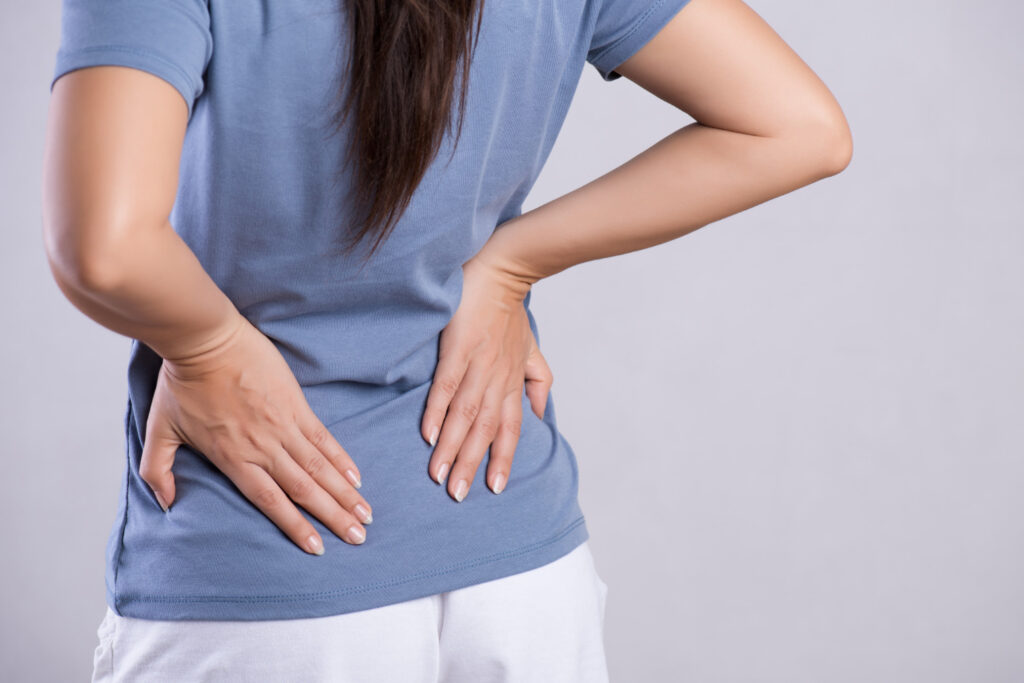
Symptoms vary depending on the location and severity of nerve compression. Some patients experience only localised back or neck pain, while others may develop symptoms travelling into the arms or legs.
Common symptoms may include:
- Lower back pain
- Neck pain
- Sciatica
- Pain travelling down the arm or leg
- Tingling or numbness
- Muscle weakness
- Difficulty standing or walking
- Pain worsened by coughing, bending, or lifting
Some patients may also experience symptoms related to nerve irritation affecting daily movement and sleep.
If symptoms persist or worsen over time, medical assessment may help identify whether nerves are being compressed.
What Could Be Causing Your Symptoms?
Back pain, leg pain, numbness, or weakness are not always caused by the same condition. Many spine conditions can produce similar symptoms, which is why proper assessment and imaging may sometimes be necessary.
The information below highlights possible conditions associated with common symptoms, but it is not a diagnosis.
| Symptom | Possible Conditions |
|---|---|
|
Lower back pain |
Slipped disc, muscle strain, spinal stenosis |
|
Pain down the leg |
Sciatica, nerve compression, L4 L5 disc herniation |
|
Neck pain |
Cervical disc herniation, cervical spondylosis |
|
Tingling or numbness |
Radiculopathy, nerve compression |
|
Weakness in the limbs |
Severe nerve irritation or compression |
|
Difficulty walking |
Spinal stenosis, lumbar nerve compression |
Important Disclaimer:
This information is for general education only and should not be used to self-diagnose or self-treat. A medical assessment and imaging may be necessary to determine the exact cause of symptoms.
How Is a Slipped Disc Diagnosed?
Because slipped disc symptoms may overlap with other spine conditions, accurate diagnosis is important.
Assessment begins with understanding the patient’s symptoms, movement limitations, and neurological function. The location and severity of symptoms may help determine whether spinal nerves are being affected.
Assessment usually begins with understanding:
- Medical history-taking
- Physical examination
- Neurological assessment
- MRI scan
- CT scan
- X-rays
- Nerve testing in selected cases
The goal is to determine:
- Which disc is affected
- Whether nerves are compressed
- Severity of the condition
- Appropriate treatment options
In some cases, hip, muscular, or peripheral nerve conditions may mimic slipped disc symptoms, which is why a thorough evaluation is important.
Can a Slipped Disc Heal Without Surgery?
Many slipped discs improve without surgery.
In fact, a large number of patients respond well to conservative treatment aimed at reducing inflammation, relieving nerve irritation, improving mobility, and supporting recovery.
Non-surgical slipped disc treatment may include:
- Physiotherapy
- Medication
- Activity modification
- Guided exercises
- Posture and ergonomic adjustments
- Spinal injections
Treatment focuses on reducing inflammation, relieving nerve irritation, improving movement, and supporting recovery.
Slipped Disc Surgery in Singapore
Surgical treatment depends on the location and severity of disc herniation.
When surgery is required, the goal is usually to relieve nerve compression, improve function, and reduce persistent symptoms. Treatment recommendations are individualised based on the patient’s condition and imaging findings.
Procedures may include:
Minimally Invasive (Keyhole) Slipped Disc Surgery
Minimally invasive surgery uses smaller incisions and specialised instruments to reduce disruption to surrounding tissues.
This may be suitable for selected patients with lumbar or cervical nerve compression.
Potential benefits may include:
- Smaller incisions
- Reduced tissue disruption
- Earlier mobilisation in selected cases
Not all patients are suitable candidates for minimally invasive procedures.
Microdiscectomy
Microdiscectomy involves removing the portion of the disc pressing on the nerve.
It may be considered for:
- Sciatica
- Persistent leg pain
- Nerve compression
- Weakness caused by lumbar disc herniation
The procedure is commonly performed for lumbar slipped discs causing ongoing nerve irritation.
Cervical Disc Surgery (ACDF)
In selected cervical disc cases, surgery may involve removing the affected disc and stabilising the spine.
This may help relieve:
- Arm pain
- Numbness
- Weakness
- Cervical nerve compression
Treatment recommendations depend on the patient’s symptoms, imaging findings, and functional limitations.
What Is Recovery Like After a Slipped Disc?
Recovery depends on:
- Severity of the condition
- Whether surgery is required
- Overall health
- Rehabilitation progress
- Physical activity demands
Many patients gradually improve with:
- Guided rehabilitation
- Physiotherapy
- Activity modification
- Strengthening exercises
- Posture adjustments
Recovery timelines vary between individuals.
Some patients recover within weeks, while others may require a longer rehabilitation period depending on the severity of nerve irritation or the type of treatment performed.
How Can You Reduce the Risk of Recurrence?
Lifestyle and movement habits may help reduce the risk of future disc problems.
Recovery and prevention often involve improving spinal support, reducing repetitive strain, and maintaining flexibility and strength.
Helpful measures may include:
- Maintaining a healthy weight
- Regular low-impact exercise
- Core strengthening
- Safe lifting techniques
- Good posture
- Ergonomic workstation setup
- Avoiding smoking
Long-term spinal health may also benefit from regular movement and avoiding prolonged sedentary positions.
When Should You See a Spine Doctor?
Many episodes of back or neck pain improve with rest and conservative treatment. However, persistent or worsening symptoms may indicate ongoing nerve compression or structural spine problems.
You may wish to seek medical assessment if you experience:
- Persistent back or neck pain
- Pain travelling down the arm or leg
- Tingling or numbness
- Weakness in the limbs
- Difficulty walking
- Symptoms affecting sleep or work
- Symptoms worsening over time
Early assessment may help identify the underlying cause before symptoms progress.
Why Patients Seek a Spine Specialist in Singapore
Patients may seek consultation with a spine specialist for:
- Persistent lower back pain
- Sciatica
- Cervical disc problems
- Nerve compression
- Sports-related spine injuries
- Difficulty walking
- Failed conservative treatment
- Second opinions regarding surgery
Mash Spine & Orthopaedics provides assessment and treatment for both spine and orthopaedic conditions at Farrer Park Medical Centre in Singapore.
Treatment plans are tailored based on the patient’s symptoms, imaging findings, lifestyle needs, and recovery goals.
Frequently Asked Questions About Slipped Discs
What is the difference between a slipped disc and a herniated disc?
Both terms refer to the same condition where part of a spinal disc bulges or ruptures and irritates nearby nerves.
Can a slipped disc cause sciatica?
Yes. A lumbar slipped disc may compress the sciatic nerve and cause pain travelling down the leg.
Does every slipped disc need surgery?
No. Many slipped discs improve with non-surgical treatment such as physiotherapy, medication, and activity modification.
What is an L4 L5 slipped disc?
An L4 L5 slipped disc occurs between the fourth and fifth lumbar vertebrae in the lower back and commonly causes sciatica or leg pain.
Can cervical disc herniation cause arm symptoms?
Yes. Cervical nerve compression may cause pain, numbness, tingling, or weakness in the shoulders, arms, or hands.
How long does slipped disc recovery take?
Recovery varies depending on the severity of the condition, treatment approach, and rehabilitation progress.
Book a Consultation at Mash Spine & Orthopaedics
If you are experiencing persistent back pain, neck pain, sciatica, tingling, numbness, or symptoms related to a slipped disc, schedule a consultation with Dr Mohd Mashfiqul Arafin Siddiqui at Mash Spine & Orthopaedics in Singapore.
A detailed assessment can help identify the underlying cause of your symptoms and guide suitable treatment options, whether non-surgical care, rehabilitation, minimally invasive procedures, or surgery.