Sciatica
Sciatica Symptoms, Nerve Compression, and Treatment Options
Does Your Back Pain Travel Down the Leg?
Sciatica is more than just lower back pain. It is a form of nerve pain that occurs when the sciatic nerve becomes irritated or compressed. The sciatic nerve runs from the lower back through the buttocks and down the legs, which is why symptoms may travel beyond the back itself.
Some patients experience mild discomfort that improves with rest, while others may develop persistent pain, numbness, tingling, or weakness affecting walking, sleep, work, exercise, or daily activities.
At Mash Spine & Orthopaedics, sciatica treatment in Singapore is tailored to the patient’s symptoms, imaging findings, lifestyle, and functional needs. Treatment may include physiotherapy, medication, injections, minimally invasive procedures, or surgery where appropriate.

Why Sciatica Feels Different from Regular Back Pain
Unlike muscular back pain, sciatica follows the path of the sciatic nerve. Symptoms often begin in the lower back or buttock before travelling down the thigh, calf, or foot.
This happens because the sciatic nerve is the largest nerve in the body, carrying signals between the spine and the legs. When spinal nerves become compressed or irritated, symptoms may radiate along the nerve pathway.
Sciatica may affect:
- One leg more than the other
- The buttock or hip area
- The calf or foot
- Walking or standing tolerance
- Balance or movement in severe cases
Some patients describe the pain as:
- Sharp
- Burning
- Electric shock-like
- Shooting
- Tingling or “pins and needles”
What Usually Causes Sciatica?
Sciatica is usually a symptom of another spine condition rather than a condition on its own.
Common causes may include:
Slipped Disc (Herniated Disc)
A slipped disc is one of the most common causes of sciatica. When a spinal disc bulges or ruptures, it may press against nearby nerves and trigger pain travelling down the leg.
Lumbar disc herniation at the L4 L5 or L5 S1 levels commonly causes:
- Sciatica
- Tingling
- Numbness
- Leg weakness
Spinal Stenosis
Spinal stenosis refers to narrowing of the spinal canal that may compress nerves in the lower back.
Symptoms may include:
- Leg heaviness
- Pain while walking
- Numbness
- Difficulty standing for long periods
Some patients notice symptoms improve temporarily when bending forward or sitting down.
Spondylolisthesis
Spondylolisthesis occurs when one spinal vertebra slips forward over another, potentially irritating nearby nerves.
This may contribute to:
- Lower back pain
- Nerve compression
- Leg pain
- Sciatica symptoms
Muscle Spasm or Injury
Tight muscles in the buttock or lower back may sometimes irritate nearby nerves and mimic sciatica symptoms.
Sports injuries, repetitive strain, or prolonged sitting may contribute to muscular irritation affecting the sciatic nerve pathway.
Trauma or Accidents
Falls, lifting injuries, sports trauma, or motor vehicle accidents may sometimes affect the lower spine and trigger nerve irritation or disc injury.
What Symptoms Can Sciatica Cause?
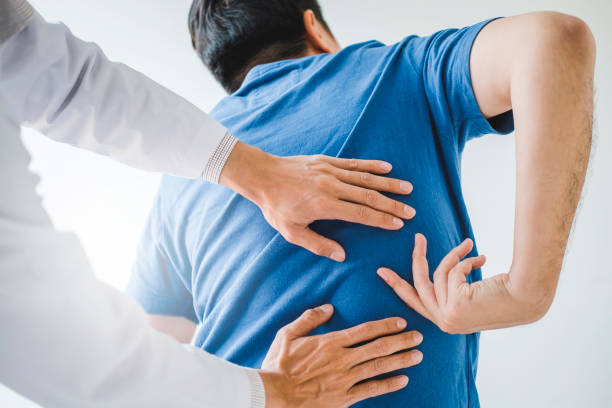
Sciatica symptoms vary depending on:
- Which nerve is affected
- Severity of nerve compression
- Underlying spinal condition
Common symptoms may include:
- Sharp pain travelling down one leg
- Lower back pain
- Buttock pain
- Tingling or “pins and needles”
- Numbness in the leg or foot
- Muscle weakness
- Pain worsened by coughing or sneezing
- Pain after prolonged sitting
Some patients experience intermittent symptoms, while others develop persistent nerve pain affecting movement and daily function.
What Could Be Causing Your Symptoms?
Many spine conditions may cause similar symptoms. A medical assessment helps determine whether symptoms are related to sciatica, slipped discs, spinal stenosis, or other nerve-related conditions.
| Symptom | Possible Conditions |
|---|---|
|
Pain down the leg |
Sciatica, slipped disc, nerve compression |
|
Lower back pain |
Muscle strain, lumbar disc herniation, spinal stenosis |
|
Tingling or numbness |
Radiculopathy, nerve irritation |
|
Leg weakness |
Severe nerve compression |
|
Difficulty walking |
Spinal stenosis, lumbar nerve compression |
|
Buttock pain |
Sciatica, piriformis irritation |
Important Disclaimer:
This information is for general education only and should not be used to self-diagnose or self-treat. A medical assessment and imaging may be necessary to determine the exact cause of symptoms.
How Doctors Diagnose Sciatica
Because sciatica is a symptom, the main goal is identifying the underlying cause.
Assessment usually begins with understanding:
- Where the pain travels
- Which movements worsen symptoms
- Whether numbness or weakness is present
- How symptoms affect daily activities
A consultation may include:
- Physical examination
- Neurological assessment
- Reflex and strength testing
- Walking and movement assessment
- MRI or CT scans
- Nerve studies in selected cases
Imaging may help identify:
- Slipped discs
- Nerve compression
- Spinal stenosis
- Degenerative spine conditions
Can Sciatica Improve Without Surgery?
Many cases of sciatica improve without surgery.
Non-surgical treatment focuses on reducing inflammation, relieving nerve irritation, improving mobility, and supporting recovery.
Treatment may include:
- Physiotherapy
- Medication
- Stretching exercises
- Activity modification
- Posture correction
- Guided rehabilitation
- Spinal injections
Recovery timelines vary between individuals depending on the severity of nerve compression and the body’s response to treatment.
Sciatica Treatments in Singapore
Sciatica treatment depends on:
- The underlying cause
- Severity of symptoms
- Duration of symptoms
- Imaging findings
- Functional limitations
Treatment may involve both non-surgical and surgical approaches depending on the patient’s condition.
The goal of treatment is usually to:
- Reduce sciatica pain
- Relieve nerve pressure
- Improve movement and walking
- Restore daily function
- Support long-term recovery
Physiotherapy for Sciatica Pain Relief
Physiotherapy may help:
- Reduce nerve irritation
- Improve flexibility
- Strengthen supporting muscles
- Improve posture and movement patterns
Exercise programmes are usually tailored to the patient’s symptoms and functional needs.
Many patients seeking sciatica pain relief in Singapore may benefit from guided rehabilitation combined with activity modification and posture correction.
Minimally Invasive Sciatica Surgery
Some patients with severe or persistent nerve compression may require surgery.
Minimally invasive or keyhole techniques may be considered in selected cases to relieve pressure on spinal nerves.
Procedures may include:
- Microdiscectomy
- Minimally invasive decompression surgery
Not all patients are suitable candidates for minimally invasive surgery.
Spinal Injections
Image-guided injections may sometimes be considered to reduce inflammation around irritated nerves.
These may be used alongside physiotherapy and rehabilitation.
Not all patients require injections.
When Might Surgery Be Considered?
Surgery may sometimes be considered when:
- Symptoms persist despite conservative treatment
- Walking becomes difficult
- Muscle weakness develops
- Severe nerve compression is present
- Pain significantly affects quality of life
- Bladder or bowel symptoms occur
Treatment recommendations are based on clinical assessment and imaging findings.
A spine specialist or spine doctor may recommend surgery only after careful evaluation of symptoms, imaging, and response to non-surgical treatment.
What Is Recovery Like After Sciatica?
Recovery depends on:
- Severity of nerve compression
- Underlying spine condition
- Whether surgery is required
- Rehabilitation progress
- Overall health and activity demands
Many patients gradually improve with:
- Physiotherapy
- Activity modification
- Guided rehabilitation
- Core strengthening
- Posture improvements
Some patients recover within weeks, while others may require a longer rehabilitation period depending on the severity of symptoms.
Recovery goals usually focus on improving mobility, reducing pain, and helping patients return safely to daily activities.
Living with Sciatica
Sciatica can become frustrating when sitting, standing, walking, or sleeping worsens symptoms.
Simple adjustments may sometimes help reduce discomfort, including:
- Alternating between sitting and standing
- Using supportive seating
- Avoiding prolonged sitting
- Gentle stretching
- Staying active with low-impact exercise
Persistent pain, numbness, or weakness should still be medically assessed.
When Should You See a Spine Specialist?
You may wish to seek medical assessment if you experience:
- Pain travelling down the leg
- Persistent lower back pain
- Tingling or numbness
- Weakness in the leg or foot
- Difficulty walking
- Symptoms worsening over time
- Pain affecting work, sleep, or daily activities
Early assessment may help identify nerve compression before symptoms progress.
Patients often seek a spine specialist in Singapore when symptoms interfere with movement, exercise, sleep, or quality of life despite rest or conservative treatment.
Why Patients Seek a Sciatica Specialist in Singapore
Patients may seek consultation for:
- Persistent sciatica
- Lumbar slipped discs
- Nerve compression
- Lower back pain with leg symptoms
- Difficulty walking
- Failed conservative treatment
- Second opinions regarding surgery
Mash Spine & Orthopaedics is a spine clinic in Singapore providing assessment and treatment for spine and nerve-related conditions at Farrer Park Medical Centre.
Treatment plans are tailored based on symptoms, imaging findings, lifestyle, and recovery goals.
Frequently Asked Questions About Sciatica
Is sciatica the same as a slipped disc?
No. Sciatica refers to nerve pain travelling down the leg, while a slipped disc is one possible cause of sciatica.
Can sciatica improve without surgery?
Yes. Many cases improve with physiotherapy, medication, activity modification, and rehabilitation.
What does sciatica pain feel like?
Sciatica pain is often described as sharp, burning, shooting, or electric shock-like pain travelling from the lower back into the leg.
Can sitting make sciatica worse?
Yes. Prolonged sitting may increase pressure on irritated spinal nerves in some patients.
When is sciatica considered serious?
Sciatica should be medically assessed if symptoms worsen, weakness develops, walking becomes difficult, or bladder/bowel symptoms occur.
How long does sciatica recovery take?
Recovery varies depending on the underlying cause, severity of nerve compression, and response to treatment.

Book a Consultation at Mash Spine & Orthopaedics
If you are experiencing lower back pain, sciatica, leg numbness, tingling, or symptoms related to nerve compression, schedule a consultation with Dr Mohd Mashfiqul Arafin Siddiqui at Mash Spine & Orthopaedics in Singapore.
As a spine specialist and spine doctor in Singapore, Dr Mash provides assessment and treatment for conditions affecting the spine, spinal nerves, and musculoskeletal system.
A detailed assessment at our spine clinic can help identify the underlying cause of your symptoms and guide suitable treatment options, including physiotherapy, rehabilitation, minimally invasive procedures, or surgery where appropriate.