Key Takeaways
- A hip labral tear often develops due to repetitive movements, structural issues, or sudden injuries.
- Athletes involved in running, football, dance, or gym training may be at higher risk.
- Early symptoms can be subtle, such as clicking, stiffness, or deep hip pain.
- Understanding hip labral tear causes can help with timely evaluation and appropriate care.
What is a Hip Labral Tear and Why Does It Matter?
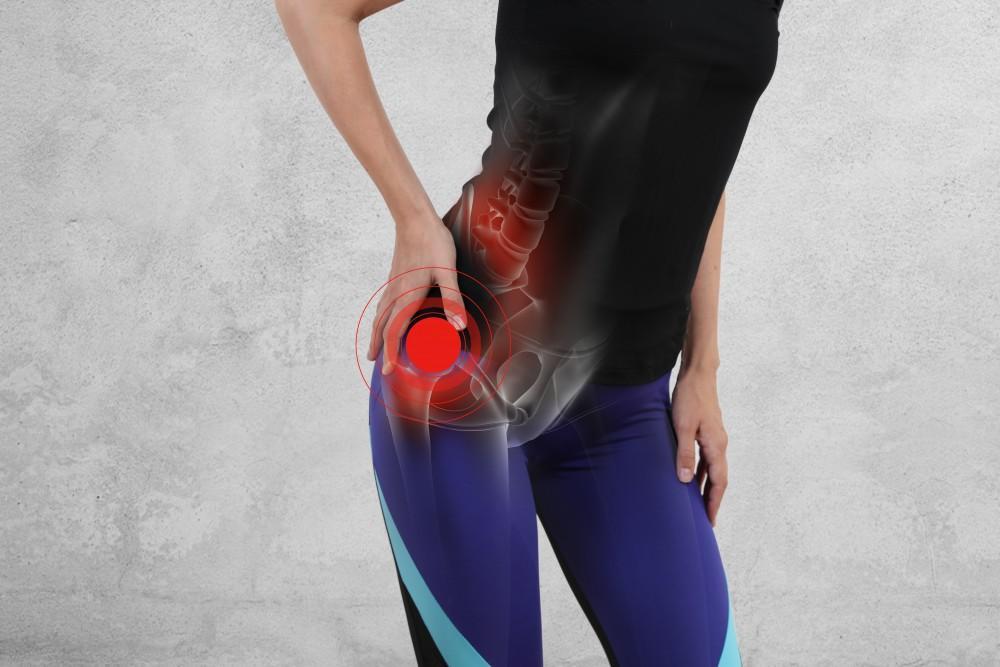
The hip labrum is a ring of cartilage that lines the socket of the hip joint, helping to keep movement smooth and stable. When this cartilage is damaged, it is called a hip labral tear.
For athletes and active adults, this condition can affect performance, mobility, and day-to-day comfort. While it may start as mild discomfort, ignoring symptoms can lead to ongoing joint issues.
What Are the Most Common Hip Labral Tear Causes?
Hip labral tear causes can vary depending on lifestyle, activity level, and underlying joint structure. Some of the most recognised causes include,
- Repetitive Movements- Frequent twisting, pivoting, or sudden directional changes which is common in sports like football, tennis, and running.
- Femoroacetabular Impingement (FAI)- A structural condition where the hip bones do not fit together smoothly. It can lead to repeated friction and gradual labral damage.
- Trauma or Injury- Falls, accidents, or sudden impact during sports. It may cause immediate tearing of the labrum.
- Hip Dysplasia- A condition where the hip socket does not fully cover the ball portion. It leads to increased stress on the labrum over time.
- Degenerative Changes- Wear and tear of the joint due to ageing or prolonged activity. It’s more common in active adults over time.
How Do Sports and Physical Activity Contribute?
Athletes often place higher demands on their hip joints. This can increase the likelihood of developing a tear. Some contributing factors include,
- High-impact training without adequate recovery
- Poor movement mechanics or posture during exercise
- Limited flexibility or muscle imbalance around the hip
- Sudden increase in training intensity
Activities that involve deep hip flexion or rotation, such as squats, lunges, or dance movements, may also place added strain on the labrum.
What Symptoms Should You Look Out For?
Recognising symptoms early can make a difference in managing the condition effectively. Some common signs include,
- Deep pain in the hip or groin area
- Clicking, locking, or catching sensation in the joint
- Stiffness or reduced range of motion
- Discomfort during prolonged sitting or activity
These symptoms may come and go, which is why they are sometimes overlooked initially.
Frequently Asked Questions
- Can a hip labral tear heal on its own?
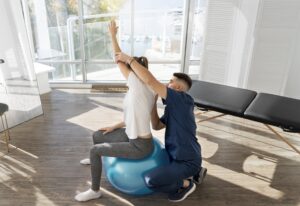
Some minor tears may be managed with rest and physiotherapy. However, not all tears heal naturally, and persistent symptoms may require further evaluation.
- Is a hip labral tear only seen in athletes?
No, while athletes are at higher risk, active adults and even individuals with structural hip conditions can develop this issue.
- How is a hip labral tear diagnosed?
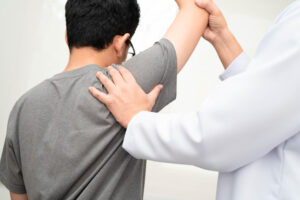
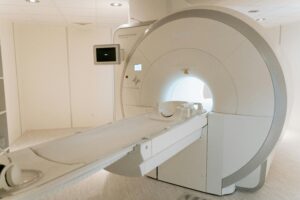
Doctors typically assess symptoms, perform a physical examination, and may recommend imaging tests such as MRI scans for confirmation.
- When should I seek medical advice?
If hip pain persists, worsens, or affects your daily activities, it is advisable to seek a medical assessment to understand the underlying cause.
When Should You Consider a Consultation?
Understanding hip labral tear causes is the first step towards addressing hip discomfort effectively. If you are experiencing ongoing hip pain, clicking sensations, or reduced mobility, a proper evaluation can help clarify the issue and guide next steps.
At MASH Spine & Orthopaedics in Singapore, Dr. Mash and his team focuses on providing clear, evidence-based information and personalised assessment for musculoskeletal concerns.
If your symptoms are affecting your daily routine or activity levels, you may consider scheduling a consultation to better understand your condition and available management options.