Knee Conditions
Knee Injuries, Arthritis, Sports Injuries, and Treatment Options
Your Knee Pain Is More Than Just Wear and Tear
The knee is one of the most heavily used joints in the body. It supports your weight during walking, climbing stairs, exercise, running, squatting, and daily movement. Because of this constant load, the knee is vulnerable to injuries, cartilage damage, ligament tears, and age-related degeneration.
Knee pain can affect people of all ages. Some patients develop symptoms after a sports injury, while others gradually experience stiffness, swelling, or instability related to osteoarthritis or cartilage wear.
At Mash Spine & Orthopaedics, assessment and treatment are tailored to the patient’s symptoms, imaging findings, activity level, and functional goals. Treatment may include physiotherapy, medication, injections, knee arthroscopy, ligament reconstruction, or knee replacement surgery, where appropriate.

What Structures in the Knee Can Cause Pain?
The knee is made up of several important structures that work together to provide stability and movement.
These include:
- Cartilage
- Meniscus
- Ligaments
- Tendons
- Bones
- Muscles
- Joint lining
Pain may occur when one or more of these structures becomes injured, inflamed, worn down, or unstable.
Common Knee Conditions We Treat
Several different conditions may cause knee pain, swelling, stiffness, or instability.
Knee Osteoarthritis
Osteoarthritis is one of the most common causes of chronic knee pain.
Over time, the cartilage cushioning inside the knee gradually wears down, which may lead to:
- Knee stiffness
- Swelling
- Pain during walking
- Difficulty climbing stairs
- Reduced movement
- Grinding sensations
Some patients improve with bracing and physiotherapy, while others may eventually require carpal tunnel release surgery.
Meniscus Tear in Singapore
The meniscus is a cartilage cushion inside the knee that helps absorb shock and stabilise movement.
Meniscus tears may occur due to:
- Sports injuries
- Twisting movements
- Sudden pivoting
- Degeneration over time
Symptoms may include:
- Knee locking
- Clicking sensations
- Swelling
- Pain when twisting
- Difficulty squatting
Some tears are small and stable, while others may interfere with knee movement.
Ligament Injuries and ACL Tears
Ligaments help stabilise the knee joint during movement.
Sports injuries, sudden changes in direction, awkward landings, or trauma may injure the:
- ACL (anterior cruciate ligament)
- PCL
- MCL
- LCL
ACL injuries are common in sports involving:
- Pivoting
- Jumping
- Sudden stops
- Direction changes
Symptoms may include:
- Knee instability
- Swelling
- A popping sensation
- Difficulty returning to sports
ACL surgery Singapore may sometimes be considered for patients with significant instability or sports-related functional demands.
Cartilage Injuries
Cartilage damage may occur due to:
- Sports injuries
- Trauma
- Wear-and-tear degeneration
- Repetitive stress
Cartilage injuries may contribute to:
- Persistent knee pain
- Swelling
- Catching sensations
- Reduced mobility
Some cartilage injuries may coexist with meniscus or ligament problems.
Sports Injuries Affecting the Knee
Sports-related knee injuries may affect:
- Ligaments
- Meniscus
- Cartilage
- Tendons
- Muscles around the knee
Athletes and active individuals may develop symptoms after:
- Sudden twisting
- Direct impact
- Overuse
- Repetitive strain
Not all sports injuries require surgery, but proper assessment is important.
Symptoms That May Point to a Knee Problem
Not every knee ache is serious, but persistent or worsening symptoms may require medical assessment.
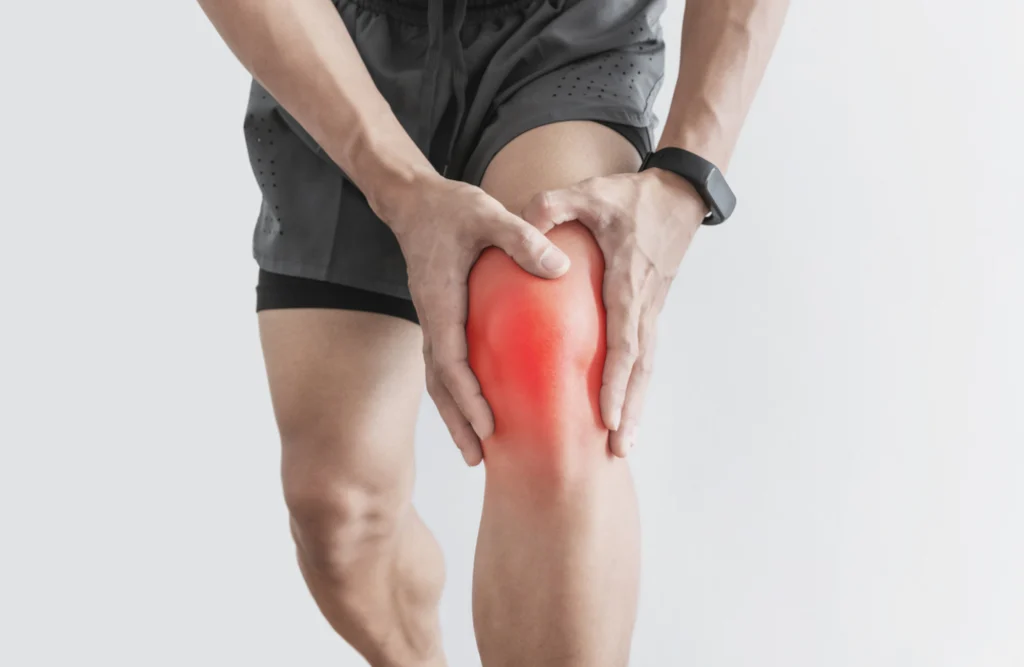
Common symptoms may include:
- Persistent knee pain
- Swelling
- Knee stiffness
- Clicking or catching sensations
- Knee locking
- Instability or “giving way”
- Difficulty bending or straightening the knee
- Pain during walking or climbing stairs
- Pain after sports injuries or falls
Some patients may also experience reduced confidence during movement because of instability.
What Could Be Causing Your Knee Symptoms?
Several knee conditions may produce similar symptoms. A proper assessment helps identify the underlying cause.
| Symptom | Possible Conditions |
|---|---|
|
Knee pain during walking |
Osteoarthritis, cartilage wear |
|
Knee instability |
ACL tear, ligament injury |
|
Locking or clicking |
Meniscus tear |
|
Swelling after sports |
Ligament injury, cartilage injury |
|
Difficulty bending the knee |
Meniscus injury, arthritis |
|
Pain climbing stairs |
Cartilage wear, osteoarthritis |
Important Disclaimer:
This information is for general education only and should not be used to self-diagnose or self-treat. A medical assessment and imaging may be necessary to determine the exact cause of symptoms.
When Should You See a Knee Pain Specialist in Singapore?
Some knee injuries improve with rest and rehabilitation, while others may worsen without proper treatment.
You may wish to seek medical assessment if you experience:
- Persistent knee pain
- Swelling that does not improve
- Knee instability
- Difficulty bearing weight
- Locking or catching sensations
- Pain after sports injuries
- Difficulty returning to activity
- Symptoms affecting daily movement
Early assessment may help identify ligament injuries, cartilage damage, or degenerative knee conditions before symptoms progress further.
How Knee Problems Are Diagnosed
Because many knee conditions share similar symptoms, accurate diagnosis is important.
Assessment usually begins with understanding:
- Where pain occurs
- What movements trigger symptoms
- Whether instability is present
- Activity limitations
- Sports participation and injury history
A consultation may include:
- Physical examination
- Stability testing
- Range-of-motion assessment
- Swelling evaluation
- X-rays
- MRI scans
- CT scans in selected cases
Imaging may help identify:
- Meniscus tears
- Ligament injuries
- Cartilage damage
- Osteoarthritis
- Bone alignment changes
Nerve studies are sometimes recommended in patients with suspected carpal tunnel syndrome or cubital tunnel syndrome.
Knee Pain Treatment in Singapore
Treatment depends on:
- The underlying condition
- Severity of symptoms
- Age and activity level
- Imaging findings
- Functional limitations
Not all knee conditions require surgery.
Physiotherapy and Rehabilitation
Physiotherapy may help:
- Strengthen supporting muscles
- Improve stability
- Restore movement
- Reduce stiffness
- Support sports recovery
Exercise programmes are usually tailored according to the patient’s condition and activity goals.
Patients recovering from sports injuries may also benefit from rehabilitation programmes focused on safe return to activity.
Medication and Pain Management
Medication may sometimes be used to:
- Reduce inflammation
- Improve comfort
- Relieve swelling
- Support rehabilitation
Treatment recommendations depend on symptoms and medical history.
Knee Injections
Injections may sometimes be considered for:
- Osteoarthritis-related pain
- Inflammation
- Cartilage irritation
- Persistent swelling
Some injections may help reduce pain and support rehabilitation.
Not all patients require injections.
Knee Arthroscopy (Keyhole Surgery)
Knee arthroscopy is a minimally invasive procedure using small incisions and a camera to assess or treat knee problems.
Arthroscopy may sometimes be considered for:
- Meniscus tears
- Cartilage injuries
- Ligament assessment
- Removal of loose fragments
- Certain sports injuries
This is commonly referred to as keyhole surgery.
Treatment recommendations depend on imaging findings, symptoms, and functional needs.
ACL Surgery
ACL reconstruction surgery may sometimes be considered for:
- Significant instability
- Athletes returning to pivoting sports
- Recurrent knee “giving way”
- Combined ligament injuries
The goal is usually to improve knee stability and support return to activity where appropriate.
Knee Replacement
Knee replacement surgery may sometimes be considered for severe osteoarthritis when:
- Pain significantly affects walking
- Daily activities become difficult
- Conservative treatment no longer provides sufficient relief
- Knee stiffness limits movement
Treatment recommendations are based on imaging findings, symptoms, mobility, and overall function.
Living with Knee Pain
Persistent knee pain may gradually affect walking, exercise, work, sleep, and quality of life.
Helpful measures may include:
- Maintaining a healthy weight
- Physiotherapy
- Strengthening exercises
- Activity modification
- Low-impact exercise
- Proper sports conditioning
Persistent symptoms should still be medically assessed, especially after sports injuries or instability episodes.
Why Patients Seek a Knee Pain Specialist in Singapore
Patients may seek consultation for:
- Knee osteoarthritis
- Meniscus tear
- ACL injuries
- Sports injuries
- Cartilage damage
- Knee instability
- Knee locking
- Knee arthroscopy
- Knee replacement evaluation
- Failed conservative treatment
Mash Spine & Orthopaedics provides assessment and treatment for knee conditions, sports injuries, and degenerative joint problems at Farrer Park Medical Centre.
Treatment plans are tailored according to symptoms, imaging findings, activity levels, and recovery goals.
Frequently Asked Questions About Knee Pain
Is knee pain always caused by ageing?
No. While osteoarthritis becomes more common with age, younger people may develop knee pain from sports injuries, cartilage damage, or ligament tears.
Can a meniscus tear heal without surgery?
Some meniscus tears may improve with physiotherapy and conservative treatment, depending on the size and location of the tear.
How do I know if I injured a ligament in my knee?
Symptoms may include swelling, instability, pain during twisting, or a feeling that the knee “gives way.”
What is knee arthroscopy?
Knee arthroscopy is a minimally invasive keyhole surgery used to assess or treat certain knee conditions.
When is ACL surgery considered?
ACL surgery may sometimes be considered for significant instability or patients wishing to return to pivoting sports.
When should knee replacement surgery be considered?
Knee replacement surgery may sometimes be considered when severe arthritis significantly affects daily movement and quality of life.

Book a Consultation at Mash Spine & Orthopaedics
If you are experiencing persistent knee pain, instability, swelling, sports injuries, or symptoms related to arthritis, ligament injuries, or cartilage damage, schedule a consultation at Mash Spine & Orthopaedics in Singapore.
Our clinic provides assessment and treatment for knee conditions, including osteoarthritis, meniscus tears, ACL injuries, cartilage problems, and sports-related knee injuries.
A detailed assessment can help identify the underlying cause of your symptoms and guide suitable treatment options, including physiotherapy, rehabilitation, knee arthroscopy, ACL surgery, injections, or knee replacement surgery where appropriate.