Key Takeaways
- Recovery from a hip labral tear varies according to the extent of the injury, associated hip conditions and individual activity levels.
- Physiotherapy can help improve hip strength, movement and stability, although it does not necessarily repair the torn tissue itself.
- Some people improve with several weeks to a few months of structured rehabilitation, while others may need longer or further treatment.
- Persistent pain, catching or restricted movement may warrant reassessment by an orthopaedic specialist.
Why does hip labral tear recovery take longer for some people?
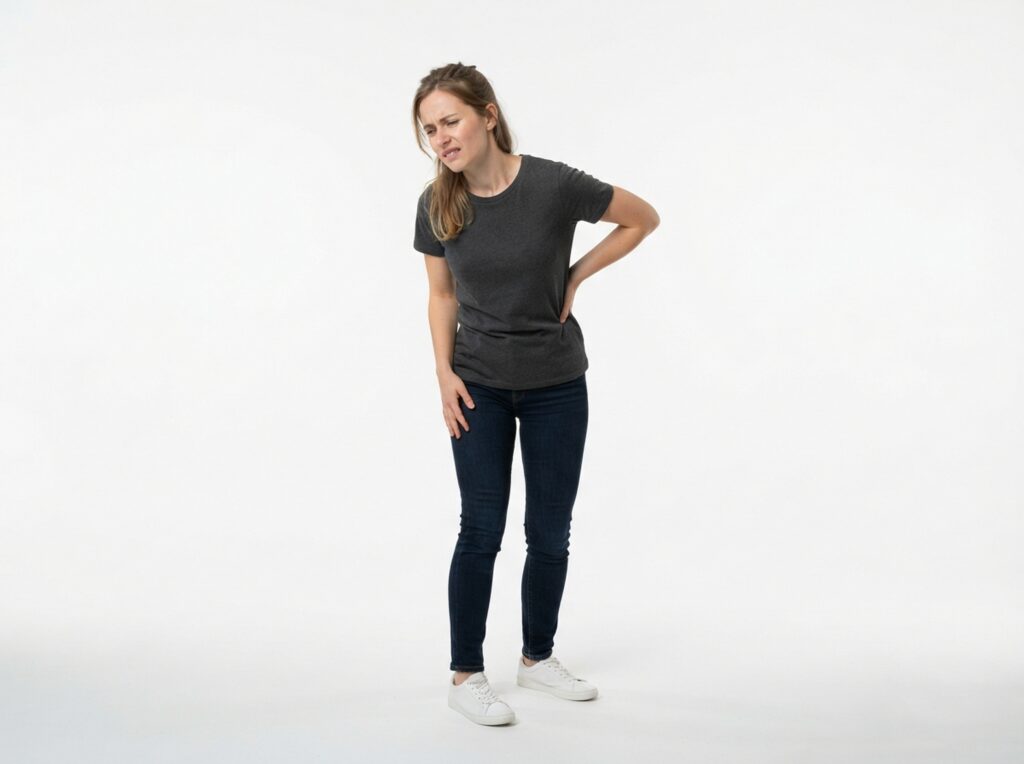
A hip labral tear can make everyday movements surprisingly uncomfortable. Getting out of a car, climbing stairs or sitting for extended periods may cause pain around the hip or groin.
The labrum is a ring of cartilage surrounding the hip socket. It helps deepen the socket, support joint stability and maintain the seal that allows the hip to move smoothly. A tear can develop following an injury, repeated loading or changes in the hip joint’s structure.
There is no single recovery timeline for everyone.
Some people experience gradual improvement with physiotherapy, while others continue to have symptoms because of factors such as the tear’s location, underlying hip impingement or the demands placed on the joint.
An MRI finding alone does not determine how much treatment someone needs. The severity of symptoms, physical examination findings and daily functional limitations also matter.
How long does physiotherapy usually take?
For some people with a hip labral tear, noticeable improvement may occur over several weeks. A more substantial rehabilitation programme may take a few months, depending on symptoms and functional goals.
These are general estimates rather than guaranteed timelines. Physiotherapy may help manage symptoms and improve function, but it does not necessarily heal the torn labrum.
Recovery also depends on what you need your hip to do. Someone aiming to walk comfortably to work may have different rehabilitation goals from a runner hoping to return to regular training.
Progress is usually assessed through improvements in,
- Pain during walking, sitting and everyday activities.
- Hip movement and tolerance of different positions.
- Strength in the muscles supporting the hip and pelvis.
- Ability to perform daily tasks without repeatedly aggravating symptoms.
What happens during hip labral tear rehabilitation?
A physiotherapist generally tailors rehabilitation to the individual’s symptoms, strength, movement and activity requirements.
- Managing pain and irritation
Initially, treatment may involve modifying activities that aggravate the hip. This could mean temporarily reducing deep squats, repeated twisting or movements that bring the knee towards the chest.
Complete inactivity is not necessarily helpful. The aim is to maintain tolerable movement without repeatedly provoking symptoms.
- Improving strength and control
As symptoms allow, exercises may target the gluteal muscles, hip stabilisers and surrounding muscle groups. Stronger supporting muscles can help improve movement control and reduce unnecessary strain during everyday activities.
Exercises are progressed according to tolerance rather than a fixed schedule.
- Returning to normal activities
Later stages may focus on longer walks, stair climbing, recreational exercise or sport-specific movements.
Increasing activity too quickly can aggravate symptoms. A physiotherapist can help adjust exercise intensity and volume according to how the hip responds.
What can slow down recovery?
Several factors may influence the progress of hip labral tear rehabilitation,
- Underlying hip structure- Conditions such as femoroacetabular impingement may continue to irritate the labrum during certain movements.
- Associated joint changes- Cartilage damage or osteoarthritis may affect symptoms and treatment options.
- Activity demands- High-impact sports and repeated deep hip movements may require more gradual rehabilitation.
- Consistency with rehabilitation- Regular, appropriately prescribed exercises can help build strength and movement control over time.
- Individual response- Pain levels, mobility and exercise tolerance differ between people.
If symptoms are not improving despite an appropriate rehabilitation programme, an orthopaedic reassessment may help clarify whether the diagnosis or treatment approach needs to be reconsidered.
When might physiotherapy alone not be enough?
Physiotherapy is a reasonable starting point for many people, but it is not suitable as the only treatment in every case.
If pain continues to interfere with daily activities, or the hip repeatedly catches, locks or feels restricted, further assessment may be appropriate. Depending on the findings, an orthopaedic specialist may discuss additional management options, including surgery in selected cases.
Surgery is not automatically necessary because an MRI shows a tear. The decision depends on the symptoms, examination findings, associated conditions and response to non-surgical treatment.
Frequently Asked Questions
Can a hip labral tear heal without surgery?
Some people manage their symptoms and improve their function without surgery. However, symptom improvement does not necessarily mean the torn tissue has healed.
Can I walk normally with a hip labral tear?
Some people can walk with little difficulty, while others experience pain or stiffness. Walking tolerance depends on the injury, associated conditions and individual symptoms.
Should I stop exercising during recovery?
Not necessarily. Activities that aggravate symptoms may need to be reduced or modified, while suitable exercises can help maintain strength and mobility. A physiotherapist can advise on appropriate activity levels.
What if physiotherapy does not improve my hip pain?
Persistent symptoms warrant reassessment. An orthopaedic specialist may review the diagnosis, investigate contributing conditions and discuss whether other treatment options should be considered.
Does a hip labral tear always require an MRI?
Not always. A clinician may begin with a medical history and physical examination before deciding whether imaging is needed. MRI may be considered when further investigation would help clarify the diagnosis or guide treatment.
Take the Next Step Towards Understanding Your Hip Pain
Recovery from a hip labral tear is not simply about waiting for the pain to disappear. It involves understanding what is causing the symptoms, restoring comfortable movement and finding an appropriate level of activity.
If persistent hip pain is affecting your daily routine, consider arranging an orthopaedic consultation with Dr MASH at MASH Spine & Orthopaedics in Singapore. An assessment can help clarify the possible causes of your symptoms and whether physiotherapy, further investigation or other treatment options may be appropriate.