Key Pointers at a Glance:
- Trigger finger happens when a finger tendon becomes inflamed, making it hard to straighten or bend smoothly.
- Mild cases may recover in a few weeks with rest, splinting, and stretching exercises.
- Persistent or severe cases may need steroid injections or minor surgery.
- Early management helps prevent stiffness and long-term finger locking.
- Recovery time depends on the severity, treatment type, and follow-up care.
What Is Trigger Finger and Why Does It Happen?
Trigger finger (also called stenosing tenosynovitis) occurs when the tendon that helps bend your finger gets swollen or irritated. The swollen tendon can catch as it moves through the sheath, causing a “clicking” or “locking” sensation when you try to bend or straighten your finger.
Common causes include:
- Repetitive gripping or hand use
- Underlying conditions like diabetes or rheumatoid arthritis
- Direct strain or minor injuries affecting the tendon sheath
How Long Does Trigger Finger Take to Heal?
Healing time varies based on how early it’s treated and the severity of inflammation:
- Mild cases: 2–6 weeks with rest, splinting, and gentle exercises
- Moderate cases: 6–12 weeks, often with corticosteroid injections and physiotherapy
- Severe or chronic cases: Several months if surgery is required to release the tendon
Prompt treatment usually shortens the recovery timeline and helps restore smooth finger movement.
What Can I Do at Home to Relieve Pain and Stiffness?
For mild symptoms, home care can reduce pain and improve flexibility:
- Rest your hand: Avoid repetitive gripping or pressing motions.
- Warm compress: Helps increase circulation and reduce stiffness.
- Finger stretching or tendon gliding exercises: Maintain range of motion.
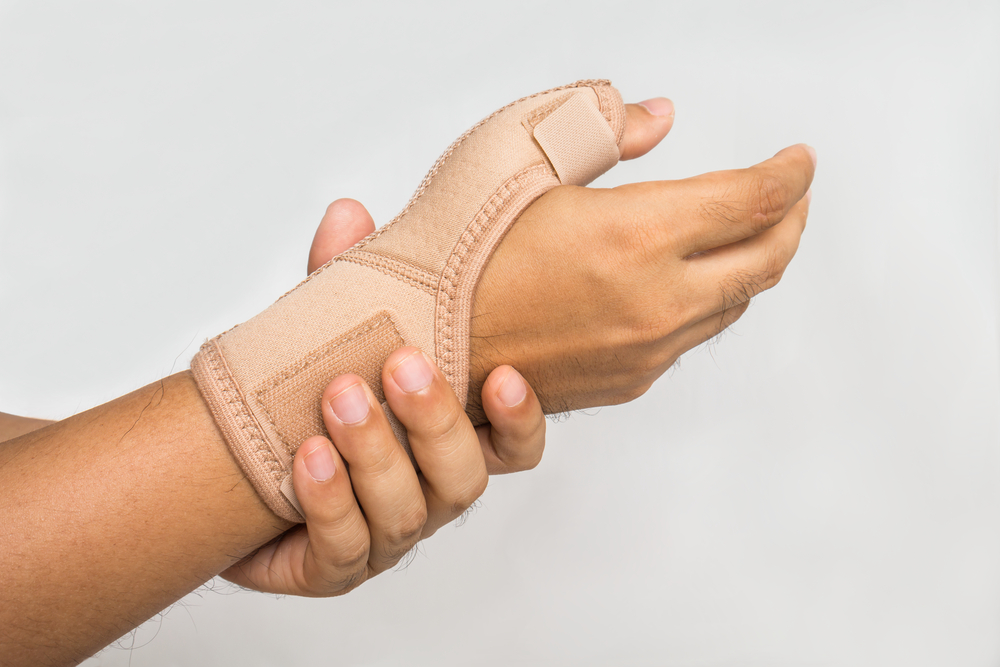
- Splinting: Keeps the finger in a neutral position to allow healing.
- Anti-inflammatory medication: May help relieve swelling and pain (use as advised by your doctor).
If your finger starts locking frequently or pain worsens, medical evaluation is recommended.
When Should I See a Doctor About Trigger Finger?
See a specialist if you experience:
- Pain that doesn’t improve after a few weeks
- Finger locking in a bent position
- Difficulty performing daily tasks (like gripping or typing)
- Swelling or stiffness that keeps returning
A doctor may suggest further evaluation with physical examination and, if needed, recommend a corticosteroid injection or surgical release.
What Is Recovery Like After Treatment?
- After injections: Pain and locking often improve within days to weeks.
- After surgery: Recovery usually takes 4–6 weeks. Finger movement returns gradually with physiotherapy or exercises.
- Follow-up care: Regular stretching, avoiding overuse, and maintaining hand strength prevent recurrence.
FAQs About Trigger Finger Recovery
Q1: Can trigger finger heal without treatment?
Mild cases may improve with rest and splinting, but persistent symptoms usually need medical treatment.
Q2: What exercises help with trigger finger?
Tendon gliding and gentle finger stretches can improve flexibility and reduce stiffness.
Q3: Is trigger finger a sign of arthritis?
Not always, though people with arthritis or diabetes have a higher risk of developing it.
Q4: Can I still use my hand while recovering?
Yes, light activity is fine as long as it doesn’t cause pain or strain the affected finger.
Q5: Does trigger finger come back after healing?
Recurrence can happen, especially if the hand is overused or underlying conditions persist. Regular exercises and ergonomic adjustments help lower this risk.
Trigger finger can range from a mild nuisance to a painful limitation, but early treatment makes a big difference. Recognising symptoms early, allowing proper rest, and following your doctor’s advice are key steps toward smooth, pain-free movement again.
Book an Appointment for Hand and Finger Care
If your finger pain or stiffness isn’t improving, a thorough assessment can help determine whether it’s time for further treatment or surgery.
📍 Mash Spine & Orthopaedics, Farrer Park Medical Centre
📞 Call +65 6518 9545 or Book a Consultation Here