Key Takeaways
- Spondylosis refers to age-related changes in the spine, but symptoms are not something you should ignore.
- Not everyone with spondylosis needs surgery, many respond well to conservative spondylosis treatment.
- Early assessment can help prevent worsening nerve compression.
- Persistent pain, tingling or weakness should be evaluated by a medical professional.
When you hear the word spondylosis, do you assume it is simply a sign of getting older? Or could it be a condition that requires proper spondylosis treatment? Many people dismiss neck or back stiffness as “normal ageing”. While age-related wear and tear is common, persistent pain, numbness or weakness may indicate something more than just growing older.
What Exactly Is Spondylosis?
Spondylosis describes degenerative changes in the spine that may affect,
- The intervertebral discs
- The joints between vertebrae
- Surrounding ligaments
- Nearby nerves
These changes are commonly seen in the,
- Cervical spine (neck)
- Lumbar spine (lower back)
As we age, spinal discs gradually lose hydration and flexibility. Bone spurs may also develop. While these changes can be part of aging, they do not always cause symptoms. However, when the spinal cord or nerves become compressed, symptoms may occur and this is when medical attention becomes important.
Is Spondylosis Always Symptomatic?
Not necessarily. Some individuals only discover they have spondylosis after an X-ray or MRI done for another reason. Others may experience,
- Persistent neck or lower back pain
- Stiffness that limits movement
- Tingling or numbness in arms or legs
- Weakness in the limbs
- Headaches, in cervical spondylosis
If symptoms interfere with daily activities or worsen over time, proper spondylosis treatment should be considered.
When Should You Seek Medical Advice?
You should consult a doctor if you experience,
- Pain lasting more than a few weeks
- Numbness or “pins and needles” sensations
- Muscle weakness
- Difficulty walking or maintaining balance
- Loss of bladder or bowel control in which urgent evaluation would be required
Early evaluation allows appropriate management and reduces the risk of complications.
What Does Spondylosis Treatment Involve?
Treatment depends on the severity of symptoms and imaging findings. Most patients improve without surgery.
Conservative (Non-Surgical) Options– These may include,
- Prescribed medication for pain relief
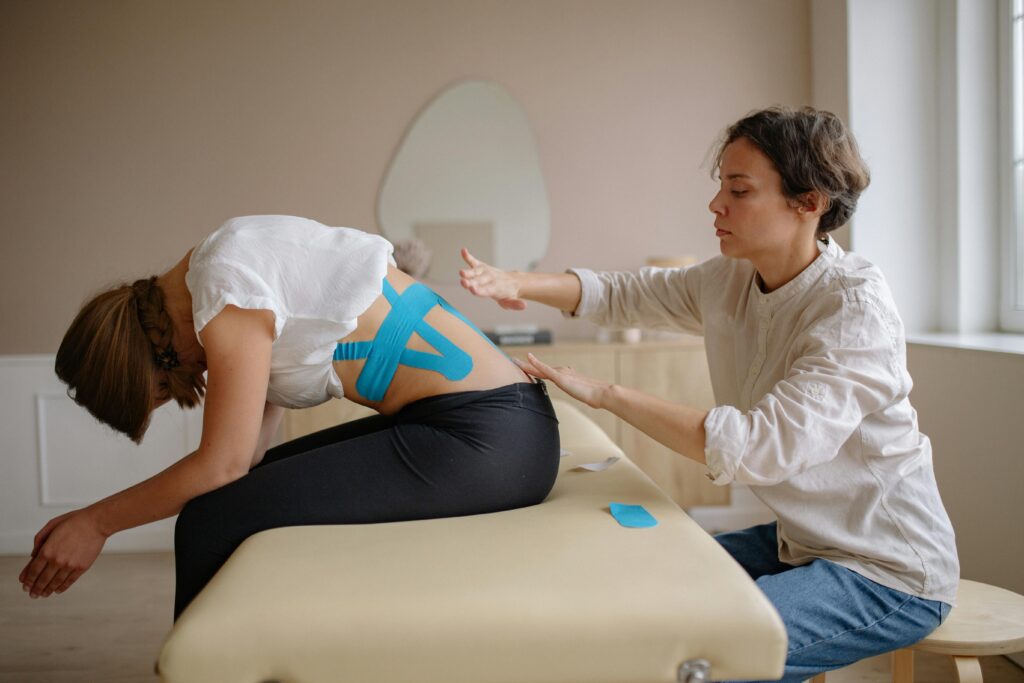
- Physiotherapy to improve strength and flexibility
- Activity modification
- Postural correction advice
- Targeted exercises
Conservative spondylosis treatment is often suggested for mild to moderate cases.
Surgical Options- Surgical intervention may be considered if,
- There is significant nerve compression
- Symptoms do not improve with conservative care
- Progressive weakness is present
- Spinal cord compression is diagnosed
Surgical options are discussed carefully, based on individual clinical findings and imaging results.
Can Lifestyle Changes Help?
Yes. While ageing cannot be reversed, certain habits may support spinal health,
- Maintaining a healthy weight
- Regular low-impact exercise
- Avoiding prolonged poor posture
- Using ergonomic workstations
- Stopping smoking
These measures may complement medical spondylosis treatment.
Frequently Asked Questions (FAQs)
- Is spondylosis the same as a slipped disc?
No. A slipped (herniated) disc involves displacement of disc material, while spondylosis refers broadly to degenerative changes in the spine. They may coexist but are not identical.
- Can spondylosis heal on its own?
Degenerative changes cannot be reversed, but symptoms may improve with appropriate management and conservative spondylosis treatment.
- Is spondylosis common in younger adults?
Although more common with aging, younger individuals may develop symptoms due to injury, poor posture or repetitive strain.
- Does everyone with spondylosis need surgery?
No. Many patients manage well with non-surgical treatment. Surgery is considered only when clinically indicated.
- How is spondylosis diagnosed?
Diagnosis typically involves clinical examination and may include imaging such as X-rays or MRI scans, depending on symptoms.
So, Is It Just Ageing or Something More?
While spondylosis is often linked to ageing, persistent pain or neurological symptoms should not be dismissed as “normal”. Appropriate assessment allows timely and suitable spondylosis treatment, tailored to your individual condition. If you are experiencing ongoing neck or back discomfort, consider seeking medical advice.
At MASH Spine & Orthopaedics in Singapore, patients receive thorough clinical evaluation and personalised management plans based on their condition. Early consultation can make a difference in maintaining mobility and quality of life. If you would like to understand your symptoms better, book a consultation with MASH Spine & Orthopaedics today.