Bunion surgery may correct the alignment of the big toe, but recovery does not end when you leave the operating theatre. Your foot needs time to heal, and how you manage it during the first few weeks can affect your comfort and ability to gradually return to daily activities.
While bunion surgery recovery and aftercare can vary depending on the procedure performed, following your surgeon’s instructions, protecting the operated foot and recognising warning signs are important parts of the healing process.
Key Takeaways
- Recovery after bunion surgery varies depending on the procedure performed and individual healing progress.
- Keeping your foot elevated and limiting unnecessary walking can help manage post-operative swelling.
- Follow your surgeon’s instructions on weight-bearing, walking aids and protective footwear.
- Swelling may persist for several weeks or months, particularly after increased activity.
- Avoid returning to high-impact activities or regular footwear too soon, and seek medical advice if you notice worsening pain, redness, unusual discharge or other concerning symptoms.
Why does your foot need extra care after bunion surgery?
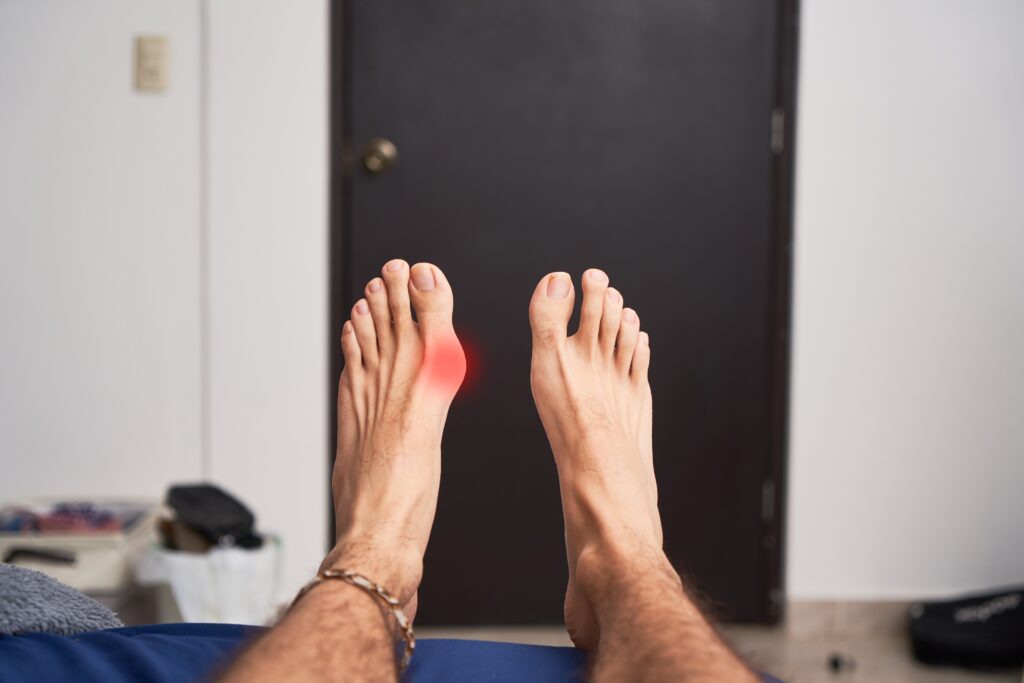
Bunion surgery typically involves correcting the alignment of the big toe and may require adjustments to the bone, surrounding tissues or both. As a result, swelling, discomfort and temporary difficulty walking are common during the recovery period.
The operated foot may be more vulnerable to pressure and movement while healing. This is why your surgeon may recommend a dressing, protective footwear, crutches or other walking aids, depending on your procedure and recovery needs.
What should you do during the first few weeks of recovery?
The early recovery period is generally focused on protecting the surgical site and managing swelling. Your surgeon’s instructions should take priority, as different bunion procedures may require different restrictions.
Some practical measures may include,
- Elevate your foot- Keeping your foot elevated, particularly during the early days, may help reduce swelling. Follow the positioning instructions given by your surgical team.
- Limit unnecessary walking- Avoid spending prolonged periods standing or walking, especially if these activities increase swelling or discomfort.
- Keep your dressing dry and intact- Do not remove or change your dressing unless instructed to do so. Follow guidance on showering and wound care.
- Take prescribed medication as directed- Medication may be prescribed to manage post-operative pain. Avoid adjusting doses without medical advice.
- Use walking aids if recommended- Crutches, a walking frame or a post-operative shoe may help protect the foot while you move around.
When can you start walking and wearing normal shoes again?
Walking after bunion surgery depends on the type of procedure, the stability of the surgical correction and how your foot is healing. Some patients may be permitted to walk with a protective shoe relatively early, while others may need to limit weight-bearing for a period.
Do not assume that being able to tolerate pain means your foot is ready for unrestricted walking.
Your surgeon may assess your healing before advising you to gradually increase weight-bearing activities or transition to regular footwear. Returning to shoes too soon, particularly tight or narrow footwear, may place unnecessary pressure on the operated area.
Is swelling normal during bunion surgery recovery?
Swelling can persist for several weeks or even months after bunion surgery. It may become more noticeable after standing, walking or increasing your activity levels.
This does not necessarily mean something has gone wrong. However, swelling should be monitored alongside other symptoms.
You should consult your doctor, if you experience,
- Increasing redness or warmth around the wound
- Persistent or worsening pain
- Unusual discharge or an unpleasant smell from the wound
- Fever
- Sudden or significant swelling
Severe calf pain, chest pain or sudden breathlessness requires urgent medical attention.
What activities should you avoid while your foot heals?
During recovery, avoid activities that place excessive pressure or strain on your operated foot, unless your surgeon has cleared you to resume them. These may include,
- Running, jumping or high-impact exercise
- Prolonged standing
- Wearing tight or high-heeled shoes
- Driving before you can safely control the vehicle and have medical clearance
- Attempting to increase walking distance too quickly
Gradual progression is generally more appropriate than trying to return to your usual routine immediately.
Frequently Asked Questions
How long does it take to recover from bunion surgery?
Recovery timelines vary depending on the surgical procedure, bone healing and individual circumstances. Some activities may resume earlier than others, while swelling and stiffness can take longer to settle.
Should I move my big toe after bunion surgery?
Toe movement may be encouraged in some procedures but restricted in others. Follow your surgeon’s rehabilitation instructions rather than attempting exercises independently.
Can I shower after bunion surgery?
This depends on your dressing and wound-care instructions. Keep the surgical site dry until your surgical team advises that it is safe to expose it to water.
Why does my foot still swell when I walk?
Walking increases blood flow and places demands on healing tissues, which may contribute to swelling. Persistent or worsening swelling should be assessed if accompanied by other concerning symptoms.
When can I return to work after bunion surgery?
This depends on your job, the procedure performed and your recovery. Desk-based work may be possible sooner than jobs involving prolonged standing, walking or physical activity.
Schedule a consultation, take the next step in your recovery
Recovery after bunion surgery involves more than managing discomfort. Protecting your foot, following weight-bearing restrictions, monitoring the wound and gradually returning to activities all contribute to the post-operative care process.
If you have questions about your recovery or are experiencing symptoms that concern you, Dr. MASH at MASH Spine & Orthopaedics can assess your condition and provide guidance based on your procedure and healing progress. A consultation can help address recovery concerns and determine the appropriate next steps for your foot.