Spinal infections are uncommon but can become serious if they are not diagnosed and treated promptly. Fortunately, advances in medical imaging and targeted therapies have made it easier to identify infections earlier and create personalised treatment plans. Seeking timely assessment from a spine doctor can help reduce complications and support recovery.
Key Takeaways
- Early diagnosis using modern imaging can help detect spinal infections before significant damage occurs.
- Spinal infection treatment often combines targeted antibiotics with close medical monitoring, while surgery may be recommended in selected cases.
- Recovery depends on the type of infection, overall health, and how early treatment begins.
- Consulting a spine specialist at a dedicated spine clinic can help determine the most appropriate treatment plan for your condition.
What Is a Spinal Infection and Why Should It Be Treated Early?
A spinal infection occurs when bacteria, fungi, or other microorganisms affect structures within the spine, such as,
- The vertebrae (bones of the spine)
- The intervertebral discs
- The tissues surrounding the spinal cord
Although spinal infections are relatively uncommon, delaying treatment may increase the risk of,
- Persistent back or neck pain
- Damage to the bones of the spine
- Compression of nearby nerves
- Difficulty with movement or daily activities
Symptoms can vary from person to person and may include,
- Persistent back pain that does not improve with rest
- Fever or chills
- Unexplained tiredness
- Pain that becomes worse over time
- Weakness, numbness, or changes in bladder or bowel function in some cases
As these symptoms may also occur with other spinal conditions, a thorough medical assessment is important.
How Has Modern Imaging Changed the Diagnosis of Spinal Infections?
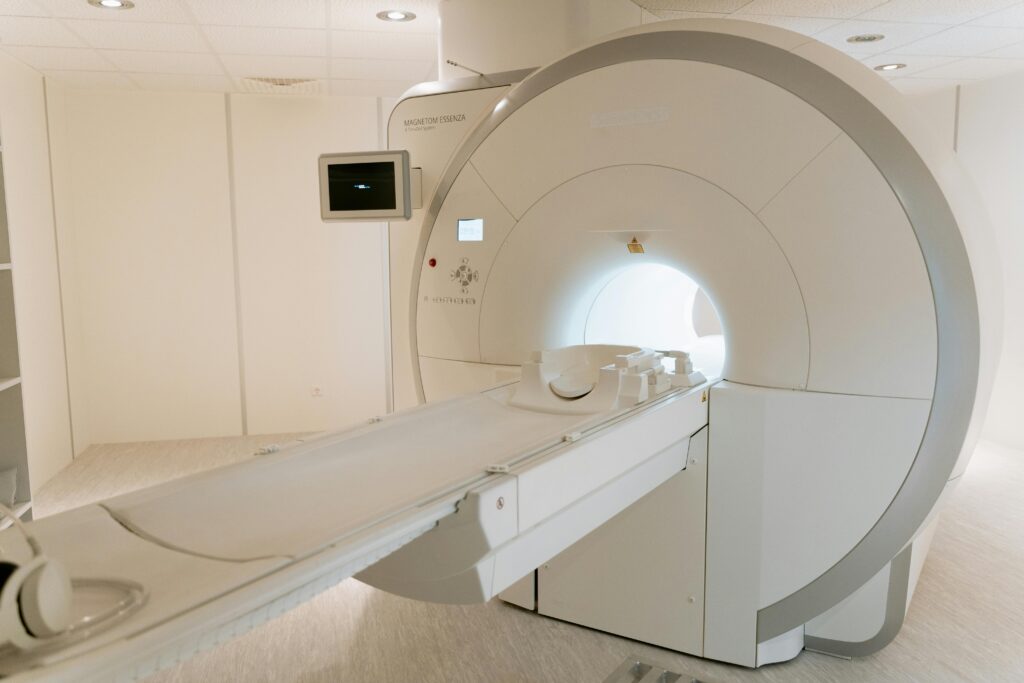
Medical imaging plays a key role in confirming a spinal infection and assessing its extent. Modern imaging techniques may include,
- MRI (Magnetic Resonance Imaging)- Often used to evaluate soft tissues, discs, nerves, and possible infection within the spine.
- CT Scan- Provides detailed images of the spinal bones and may help assess structural changes.
- X-rays- May be used as part of the initial assessment, although early infections are not always visible.
- Image-guided biopsy- In selected patients, a small tissue sample may be collected to identify the specific microorganism responsible for the infection.
These investigations allow a spine specialist to better understand the condition and plan appropriate spinal infection treatment.
Can Targeted Treatments Improve Recovery?
Treatment has become more personalised as diagnostic methods have improved. Depending on the underlying cause, spinal infection treatment may include,
- Antibiotics chosen based on laboratory testing to target the identified bacteria
- Antifungal medication when fungal infections are diagnosed
- Pain management to improve comfort during recovery
- Regular blood tests and follow-up imaging to monitor treatment response
- Physiotherapy after infection control to support mobility and strength
If the infection causes spinal instability, significant bone damage, abscess formation, or pressure on the nerves, surgery may be recommended. The decision depends on each patient’s individual condition.
What Factors Influence Recovery?
Recovery varies between individuals and depends on several factors, including,
- How early the infection is diagnosed
- The type of microorganism causing the infection
- The patient’s general health and immune function
- Whether the infection has spread
- Following the prescribed treatment and follow-up plan
Many patients experience improvement with timely diagnosis and appropriate treatment, although recovery time can vary depending on the severity of the infection.
When Should You See a Spine Doctor?
It is advisable to seek medical attention if you experience,
- Back pain that persists despite rest
- Fever together with unexplained back pain
- Pain that steadily worsens over time
- Weakness, numbness, or difficulty walking
- New bladder or bowel symptoms associated with back pain
Early assessment at a spine clinic allows your doctor to determine whether further investigations are required and helps avoid delays in treatment if an infection is present.
Frequently Asked Questions
Can a spinal infection be treated without surgery?
Yes. Many patients respond to medications and careful monitoring. Surgery may only be recommended if there is spinal instability, nerve compression, or when medical treatment alone is insufficient.
How long does spinal infection treatment usually take?
The duration varies depending on the type and severity of the infection. Your treating doctor will determine the appropriate treatment course based on your progress.
Is MRI always necessary for diagnosing a spinal infection?
MRI is commonly used because it provides detailed images of the spine and surrounding tissues. However, your doctor may recommend additional investigations depending on your clinical condition.
Who is at higher risk of developing a spinal infection?
People with weakened immune systems, diabetes, recent spinal surgery, bloodstream infections, or certain chronic medical conditions may have a higher risk. A medical evaluation is necessary to determine an individual’s risk factors.
Consult an Orthopaedic Spine Specialist
Persistent back pain accompanied by fever, worsening symptoms, or unexplained neurological changes should not be ignored. Early assessment can help identify the underlying cause and determine the most appropriate management plan.
If you are concerned about symptoms that may be related to a spinal infection, arrange a consultation with Dr MASH at Orthopaedic Spine Specialist. A personalised assessment at our spine clinic can help determine whether further investigations or spinal infection treatment are appropriate for your condition.