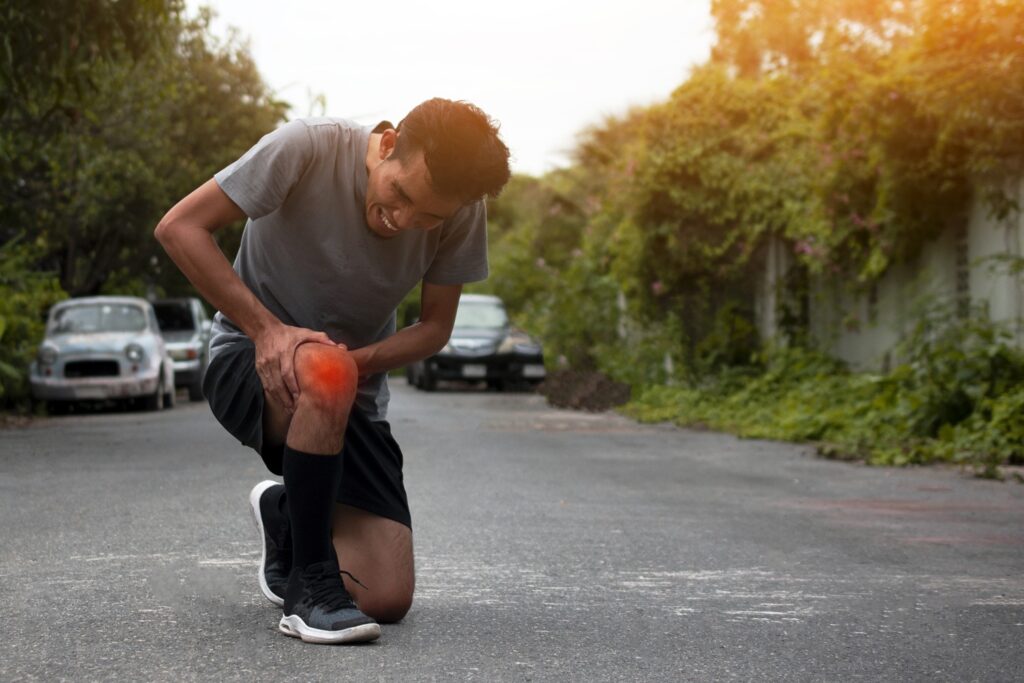
An ACL injury is usually associated with the knee, so why might someone with an ACL injury also need to think about the spine?
The anterior cruciate ligament (ACL) is one of the key ligaments that helps stabilise the knee. Injuries can happen during sports, sudden changes in direction, awkward landings or falls. While the knee is the obvious focus, the way you move after an injury can affect other parts of the body, including the hips and lower back.
Key takeaways
- ACL injuries can affect how you walk, stand and distribute weight.
- Knee instability may lead to changes in movement patterns that place additional strain on other areas.
- Persistent back pain after a knee injury should not automatically be assumed to be unrelated.
- Assessment should consider the person’s symptoms, movement and overall musculoskeletal health.
- Treatment options depend on the nature and severity of the injury and individual circumstances.
My knee hurts after an ACL injury, why is my back hurting too?
When the ACL is injured, the knee may feel unstable or painful. Some people naturally begin changing the way they move to avoid discomfort. Over time, this may mean,
- Putting more weight on the uninjured leg
- Taking shorter or altered steps
- Avoiding certain movements
- Changing posture when standing or walking
- Reducing physical activity
These changes do not necessarily mean that an ACL injury has caused a spinal problem. However, they can change the mechanical demands placed on the hips, pelvis and lower back.
This is one reason why looking only at the painful area may not always provide the complete picture.
Could an ACL injury be affecting the way I move?
Yes, an injury can influence movement, particularly when pain, weakness or instability is present.
For example, someone who is worried about the knee giving way may unconsciously avoid putting full weight through it. A prolonged change in movement can make ordinary activities such as walking upstairs, standing for long periods or returning to sport feel different.
This does not mean everyone with an ACL injury will develop back symptoms. It simply highlights why persistent or new symptoms elsewhere should be assessed rather than ignored.
When should I see an orthopaedic spine specialist?
A spine specialist focuses on conditions affecting the spine and related musculoskeletal structures. If you have an ACL injury alongside ongoing back or leg symptoms, an assessment may help determine whether the symptoms are connected or represent separate problems.
You may wish to seek medical assessment if you experience,
- Persistent back or neck pain
- Pain travelling into the arm or leg
- Numbness, tingling or weakness
- Difficulty returning to normal movement
- Symptoms that continue despite rest or activity modification
The appropriate assessment depends on your symptoms and medical history. Further investigations may be considered where clinically appropriate.
Can I just wait for my ACL injury to settle?
It depends on the injury and the individual. Some ACL injuries may be managed without surgery, while others may require a different approach. Decisions are generally based on factors such as symptoms, knee stability, activity requirements and associated injuries.
Importantly, persistent symptoms should not simply be attributed to the original injury without assessment. Understanding what is causing the symptoms is an important part of deciding what happens next.
Frequently Asked Questions
Can ACL injuries cause back pain?
An ACL injury does not necessarily cause back pain. However, changes in walking, posture and activity after an injury may alter how the body moves. Persistent back pain should be assessed rather than assumed to be related to the ACL.
Are ACL injuries only a sports injury?
No. ACL injuries can occur during sports but may also result from falls, sudden twisting movements or other accidents.
Does every ACL injury require surgery?
No. Management depends on the individual’s injury, symptoms, knee stability, activity requirements and other clinical factors.
Should I see a spine specialist for an ACL injury?
An ACL injury itself primarily involves the knee. However, if you also develop persistent back, neck or nerve-related symptoms, an orthopaedic spine assessment may be appropriate.
Can I return to exercise after an ACL injury?
Return to exercise should depend on the injury and your recovery. A healthcare professional can advise on appropriate activity based on your individual circumstances.
Looking beyond the obvious source of pain
An ACL injury may start at the knee, but changes in movement can influence how the rest of the body feels and functions. If knee problems are accompanied by persistent back, neck or nerve-related symptoms, it may be worth discussing the full picture with an appropriate healthcare professional.
For patients in Singapore, Dr MASH at MASH Spine & Orthopaedics provides orthopaedic spine consultations to assess spine-related symptoms and discuss suitable management options based on individual needs. You may contact the clinic to arrange a consultation and discuss your symptoms.