Back pain is common, but when it persists and starts travelling into your legs, it may be more than a simple muscle strain. While many cases improve with rest and conservative care, ongoing symptoms that interfere with daily life should not be ignored. A timely spinal stenosis diagnosis can help identify the underlying cause and guide appropriate treatment before symptoms become more limiting.
Key Takeaways
- Persistent back and leg pain may sometimes be linked to spinal stenosis, especially in older adults.
- A spinal stenosis diagnosis involves a clinical assessment and, when appropriate, imaging tests to identify narrowing of the spinal canal.
- Early medical evaluation by a spine doctor may help manage symptoms and maintain mobility.
- If pain affects walking, standing, or your quality of life, it is advisable to seek an assessment at a spine clinic.
Could Your Persistent Back and Leg Pain Be More Than Just Ageing?
Many people assume that ongoing back pain is simply part of getting older. However, when pain,
- Travels from the lower back into the buttocks or legs
- Becomes worse while standing or walking
- Improves when sitting or leaning forward
- Persists despite self-care measures
it may warrant further evaluation for conditions such as spinal stenosis. Spinal stenosis occurs when the spaces within the spine become narrower, placing pressure on nearby nerves. It most commonly affects the lower back (lumbar spine) and is often associated with age-related changes in the spine.
What Symptoms Could Suggest the Need for a Spinal Stenosis Diagnosis?
Although symptoms vary from person to person, some signs may indicate that further assessment is appropriate. These include,
- Persistent lower back pain lasting several weeks or longer
- Pain, tingling or numbness radiating into one or both legs
- Weakness in the legs
- Difficulty walking long distances
- Pain that improves after sitting or bending forward
- A feeling of heaviness or cramping in the legs during walking
These symptoms can also occur in other spinal conditions, which is why a proper medical evaluation is important instead of self-diagnosing.
When Should You See a Doctor Instead of Waiting?
While occasional back pain often improves with time, medical assessment is advisable if you experience,
- Pain lasting more than a few weeks despite conservative care
- Increasing difficulty walking or standing
- Leg weakness that affects daily activities
- Numbness that becomes more frequent or severe
- Symptoms that interfere with work, exercise or sleep
- Recurring episodes that continue returning
Seek urgent medical attention if you experience sudden loss of bladder or bowel control or severe weakness in both legs, as these symptoms require immediate evaluation.
How Is a Spinal Stenosis Diagnosis Made?
A spinal stenosis diagnosis usually begins with a detailed consultation at a spine clinic. Your spine specialist may,
- Discuss your symptoms and medical history
- Ask when pain occurs and what makes it better or worse
- Perform a physical examination to assess strength, sensation and reflexes
- Evaluate your walking pattern and spinal movement
If spinal stenosis is suspected, imaging may be recommended, such as,
- X-rays to assess bone alignment and age-related changes
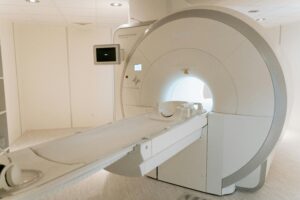
- MRI scans, which provide detailed images of the spinal canal and nerves
- CT scans, if additional bone detail is required or MRI is unsuitable
The choice of investigations depends on your individual symptoms and clinical findings.
What Happens After a Diagnosis?
Treatment depends on,
- The severity of symptoms
- The degree of nerve compression
- Your daily activity level
- Your overall health
Management may include,
- Activity modification
- Physiotherapy
- Pain-relieving medications where appropriate
- Image-guided injections for selected patients
- Surgical treatment when symptoms are severe or conservative measures do not provide sufficient relief
Your spine doctor will recommend a treatment plan based on your individual condition rather than a one-size-fits-all approach.
Frequently Asked Questions
Can spinal stenosis develop gradually?
Yes. Many people develop symptoms slowly over time as age-related changes narrow the spinal canal. Symptoms may initially be mild before becoming more noticeable.
Is every case of back pain caused by spinal stenosis?
No. Back pain has many possible causes, including muscle strain, disc problems and arthritis. A proper assessment is needed to determine the underlying cause.
Is imaging always needed for a spinal stenosis diagnosis?
Not always. Your spine specialist will first evaluate your symptoms and perform a physical examination. Imaging may be recommended if it is clinically appropriate to confirm the diagnosis or guide treatment planning.
Can spinal stenosis be managed without surgery?
Yes. Many individuals may benefit from conservative management such as physiotherapy, activity modification and other non-surgical treatments, depending on the severity of their symptoms.
Don’t Ignore Persistent Back and Leg Pain
If back and leg pain has been affecting your daily activities, obtaining a timely spinal stenosis diagnosis can help clarify the cause and support informed treatment decisions.
At MASH Spine & Orthopaedics, Dr MASH provides comprehensive assessment and management for a range of spine conditions, including spinal stenosis. If your symptoms are persistent or affecting your mobility, consider arranging a consultation at our spine clinic to discuss your concerns and explore suitable treatment options.