Hip pain can make everyday activities like walking, climbing stairs, sitting for long periods, or getting out of bed uncomfortable. However, pain felt around the hip does not always originate from the hip joint itself.
In some cases, the discomfort may actually be caused by sciatica, where irritation or compression of the sciatic nerve causes pain that travels through the buttock and down the leg. Because the spine, nerves, muscles, and hip joint are closely connected, distinguishing between these conditions can be challenging without a thorough assessment.
Key Points
- Hip pain may originate from the hip joint, lower back, or surrounding nerves.
- Sciatica is a symptom caused by irritation or compression of the sciatic nerve.
- Pain location, movement patterns, and accompanying symptoms often provide clues about the underlying cause.
- Hip arthritis, bursitis, tendon injuries, and spinal conditions may all cause pain around the hip.
- Imaging studies and a physical examination may be needed to determine the source of symptoms.
- Accurate diagnosis helps ensure that treatment is directed at the underlying condition.
Can Sciatica Cause Hip Pain?
Yes.
Sciatica commonly causes pain that begins in the lower back or buttock before travelling into the hip, thigh, calf, or foot.
Sciatica itself is not a disease but rather a symptom resulting from irritation or compression of the sciatic nerve.
Common spinal conditions that may cause sciatica include:
- Slipped disc (herniated disc)
- Spinal stenosis
- Degenerative disc disease
- Spondylolisthesis
When the sciatic nerve is compressed, pain may be felt around the hip even though the underlying problem originates in the spine.
How Does Hip Joint Pain Feel Different From Sciatica?
Although symptoms can overlap, there are some differences.
Hip Joint Pain
Pain arising from the hip joint is often felt:
- Deep in the groin
- At the front of the hip
- Around the outer hip
- Occasionally in the buttock
Hip joint pain is commonly aggravated by:
- Walking
- Climbing stairs
- Standing from a seated position
- Rotating the hip
- Putting weight on the affected leg
Conditions affecting the hip include:
- Hip osteoarthritis
- Labral tears
- Hip impingement
- Tendon disorders
- Bursitis
Sciatica
Sciatica typically causes:
- Pain beginning in the buttock
- Pain travelling down the back or side of the leg
- Tingling or pins-and-needles sensations
- Numbness
- Muscle weakness in some cases
Sitting for prolonged periods, coughing, sneezing, or bending may worsen symptoms when nerve compression is present.
Why Can Hip Pain and Sciatica Feel So Similar?
The hip joint and lower spine share many of the same nerve pathways.
As a result, pain originating from one area may be “referred” to another.
For example:
- Hip arthritis may cause pain in the buttock or thigh.
- A slipped disc may cause pain that feels like it originates from the hip.
- Spinal stenosis may cause discomfort in both the hip and leg.
- Sacroiliac joint disorders may also produce pain around the buttock and hip.
Because several structures can produce similar symptoms, identifying the true source of pain often requires a careful clinical assessment.
What Symptoms Suggest the Problem May Be Coming From the Spine?
Certain features are more suggestive of spinal nerve involvement.
These include:
- Pain radiating below the knee
- Tingling or numbness in the leg
- Burning or electric shock-like pain
- Muscle weakness
- Symptoms that worsen when sitting
- Lower back pain occurring together with leg pain
These symptoms do not always indicate sciatica, but they may suggest that the spine should be evaluated.
What Symptoms Suggest the Hip Joint May Be the Cause?
Pain is more likely to originate from the hip joint when you experience:
- Pain deep in the groin
- Difficulty putting on shoes or socks
- Pain when rotating the hip
- Reduced hip movement
- Stiffness after periods of rest
- Pain when walking or climbing stairs
The location of pain and the movements that trigger symptoms provide useful diagnostic clues.
How Does a Spine Specialist Determine the Cause of Hip Pain?
A spine specialist will usually begin with a comprehensive assessment.
Medical History
Questions may include:
- Where is the pain located?
- Does the pain travel down the leg?
- When did symptoms begin?
- What activities make the pain worse?
- Is there numbness or weakness?
- Have previous treatments helped?
Physical Examination
The examination may assess:
- Walking pattern
- Hip movement
- Lower back mobility
- Muscle strength
- Reflexes
- Sensation
- Nerve tension tests
Special examination manoeuvres help determine whether symptoms originate from the hip joint, spine, or another nearby structure.
Imaging Studies
If appropriate, imaging may be recommended.
These may include:
- X-rays to assess the hip joint or spinal alignment
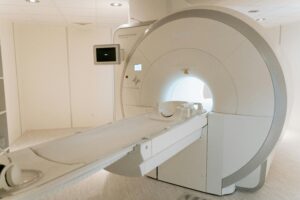
- MRI scans to evaluate discs, nerves, and soft tissues
- CT scans in selected cases
Because some imaging findings may occur naturally with ageing, results are interpreted together with symptoms and examination findings.
Can You Have Both Hip Arthritis and Sciatica?
Yes.
It is possible for more than one condition to contribute to pain.
For example, someone may have:
- Hip osteoarthritis together with lumbar spinal stenosis
- A slipped disc and hip tendon problems
- Degenerative spine disease alongside hip arthritis
This is one reason why treatment should be based on a comprehensive assessment rather than imaging findings alone.
Why Is an Accurate Diagnosis So Important?
Hip pain and sciatica often require different treatment approaches.
Depending on the diagnosis, management may include:
- Physiotherapy
- Activity modification
- Medications
- Targeted exercise programmes
- Image-guided injections in selected cases
- Surgical treatment when conservative measures are unsuccessful or when significant structural problems are present
Treating the correct source of pain may improve symptom management and help avoid unnecessary treatments.
When Should I See a Spine Doctor?
You should consider seeking medical assessment if:
- Hip pain persists despite rest
- Pain radiates into the leg
- You develop numbness or weakness
- Walking becomes increasingly difficult
- Pain interferes with sleep or daily activities
- Symptoms continue to worsen over time
Early evaluation may help determine whether your symptoms are arising from the spine, hip joint, or another condition.
Hip pain does not always originate from the hip joint. Likewise, sciatica may sometimes feel like hip pain because irritated spinal nerves can produce pain that radiates into the buttock and leg.
Since hip conditions, spinal disorders, and nerve problems can produce overlapping symptoms, an accurate diagnosis is important before treatment begins. A careful clinical assessment, together with appropriate imaging when needed, can help determine the underlying cause and guide suitable management.
Frequently Asked Questions
1. How can I tell if my hip pain is sciatica?
Sciatica often causes pain that starts in the buttock or lower back and radiates down the leg, sometimes with numbness or tingling. Hip joint pain is more commonly felt in the groin or front of the hip and may worsen with hip movement.
2. Can hip arthritis feel like sciatica?
Yes. Hip arthritis can cause pain in the buttock or thigh, which may resemble sciatica. A clinical assessment helps distinguish between the two.
3. Does sciatica always cause lower back pain?
No. Some people primarily notice pain in the buttock, hip, or leg, even though the underlying problem originates in the spine.
4. What tests are used to diagnose hip pain or sciatica?
A spine doctor may recommend a physical examination along with imaging such as X-rays or MRI scans, depending on your symptoms and clinical findings.
5. When should I see a spine specialist for hip pain?
You should consider medical assessment if hip pain persists, radiates down the leg, is accompanied by numbness or weakness, or begins affecting your mobility and daily activities.
Is Your Hip Pain Really Coming From Your Hip?
Pain around the hip is not always caused by the hip joint. In some cases, the underlying source may be the spine or irritated nerves such as the sciatic nerve. Identifying the true cause is an important step toward choosing the most appropriate treatment.
Dr Mohd Mashfiqul Arafin Siddiqui (Dr Mash) is an orthopaedic and spine surgeon who assesses and manages spinal conditions including sciatica, slipped discs, spinal stenosis, and other causes of pain affecting the hip and leg. A comprehensive evaluation may help determine whether your symptoms originate from the spine, hip joint, or another musculoskeletal condition.
Book a consultation with Mash Spine & Orthopaedics to discuss your symptoms and explore appropriate diagnostic and treatment options.