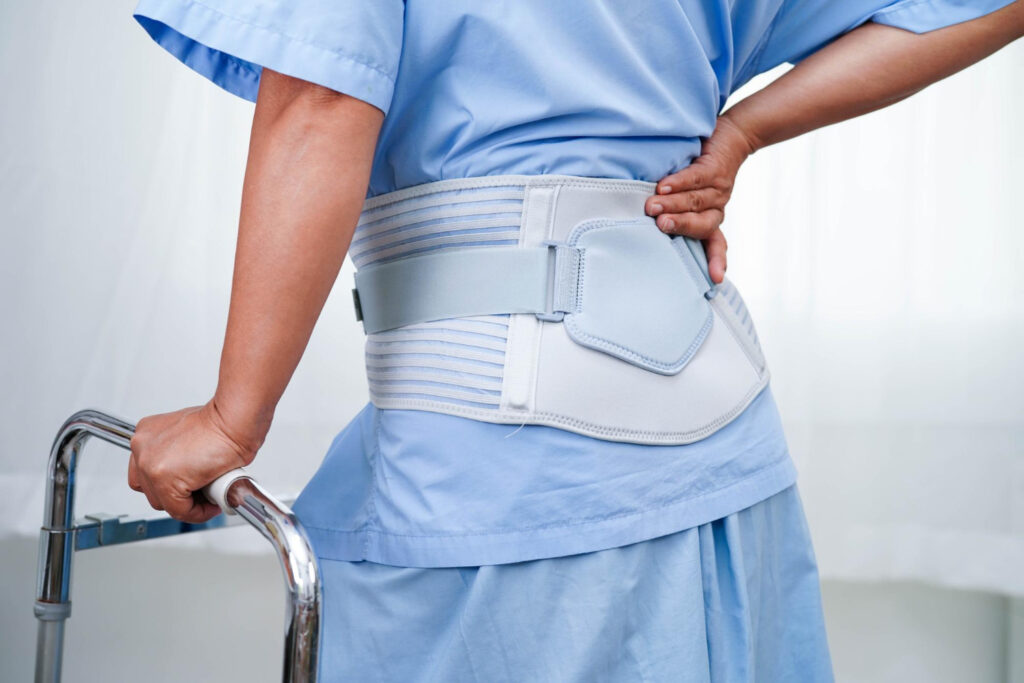
Many people assume that persistent back pain, leg pain, numbness, or difficulty walking are simply signs of ageing. However, these symptoms can sometimes be caused by spinal stenosis, a condition in which the spaces within the spine narrow, placing pressure on the nerves.
One challenge with spinal stenosis is that its symptoms can resemble several other conditions. Hip arthritis, slipped discs, peripheral neuropathy, and even circulation problems may produce similar complaints. As a result, some individuals may spend months or even years seeking answers before receiving an accurate diagnosis.
Key Points
- Spinal stenosis occurs when a narrowing within the spine places pressure on nerves.
- Symptoms may include back pain, leg pain, numbness, weakness, or difficulty walking.
- A spine specialist uses a combination of medical history, physical examination, and imaging studies to diagnose spinal stenosis.
- Conditions such as slipped discs, hip arthritis, peripheral neuropathy, and vascular disease may mimic spinal stenosis.
- Accurate diagnosis is important because treatment depends on identifying the true cause of symptoms.
- Both non-surgical and surgical treatment options may be considered depending on symptom severity and nerve involvement.
What Is Spinal Stenosis?
Spinal stenosis refers to a narrowing of the spinal canal or the spaces where nerves travel through the spine.
This narrowing most commonly develops due to age-related changes, such as:
- Thickening of ligaments
- Disc degeneration
- Bone spur formation
- Arthritis affecting the spinal joints
Spinal stenosis most frequently affects the lower back (lumbar spine) and neck (cervical spine).
As the available space decreases, nearby nerves may become compressed, leading to pain, numbness, tingling, or weakness.
What Symptoms Usually Lead to a Spinal Stenosis Diagnosis?
Symptoms can vary depending on which part of the spine is affected.
Common symptoms of lumbar spinal stenosis include:
- Lower back pain
- Pain radiating into the buttocks or legs
- Tingling or numbness in the legs
- Weakness in the lower limbs
- Cramping when walking
- Difficulty standing for long periods
One characteristic symptom is neurogenic claudication, where walking or standing worsens symptoms, while sitting down or bending forward provides relief.
For cervical spinal stenosis, symptoms may include:
- Neck pain
- Shoulder or arm pain
- Hand numbness
- Weakness in the arms or hands
- Problems with balance or coordination
Because these symptoms can overlap with other conditions, further evaluation is often required.
How Does a Spine Specialist Diagnose Spinal Stenosis?
Diagnosing spinal stenosis involves more than simply reviewing an MRI scan.
A spine specialist will typically combine clinical assessment with imaging findings to determine whether spinal stenosis is truly responsible for a patient’s symptoms.
1. Medical History
The consultation often begins with a detailed discussion about symptoms, including:
- When symptoms started
- Whether symptoms are worsening
- Activities that trigger pain
- Walking tolerance
- Previous injuries or spinal conditions
- Current treatments and medications
The pattern of symptoms often provides valuable diagnostic clues.
2. Physical Examination
A physical examination may assess:
- Walking pattern and balance
- Muscle strength
- Reflexes
- Sensation in the arms and legs
- Flexibility and range of motion
The findings help determine whether nerves may be compressed and whether symptoms originate from the spine or another area of the body.
3. Imaging Studies
Imaging helps confirm the diagnosis and evaluate the extent of spinal narrowing.
Common investigations include:
X-Rays
X-rays can show:
- Degenerative changes
- Bone spurs
- Spinal alignment
- Spondylolisthesis (slipped vertebra)
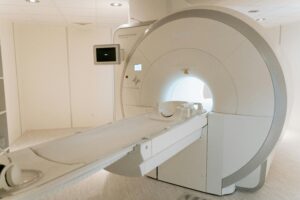
MRI Scans
MRI is commonly used when spinal stenosis is suspected because it provides detailed images of:
- Spinal nerves
- Intervertebral discs
- Ligaments
- Areas of nerve compression
CT Scans
In selected cases, CT scans may provide additional information about bony structures and spinal anatomy.
Imaging findings are interpreted alongside symptoms because some people may have narrowing visible on scans without experiencing significant symptoms.
Could Spinal Stenosis Be Mistaken for Sciatica?
Yes. Spinal stenosis and sciatica are often confused because both can cause pain travelling down the leg.
However, sciatica is a symptom rather than a diagnosis. It refers to irritation or compression of the sciatic nerve.
A slipped disc may cause sciatica, but spinal stenosis can also produce similar nerve-related symptoms.
The underlying cause determines the most appropriate treatment approach, which is why a thorough assessment is important.
Can Hip Arthritis Feel Like Spinal Stenosis?
In some cases, yes.
Hip arthritis can cause:
- Groin pain
- Buttock pain
- Thigh discomfort
- Difficulty walking
Because symptoms can overlap, patients may believe their pain originates from the spine when the hip joint is actually contributing to the problem.
A spine specialist may assess hip movement during the examination and, if necessary, recommend additional imaging to distinguish between hip and spinal conditions.
What Other Conditions Can Mimic Spinal Stenosis?
Several medical conditions may produce symptoms that resemble spinal stenosis.
Slipped Disc
A herniated or slipped disc can compress spinal nerves and cause:
- Leg pain
- Numbness
- Tingling
- Weakness
The symptoms may be very similar to those seen in spinal stenosis.
Peripheral Neuropathy
Peripheral neuropathy involves damage to nerves outside the spinal cord.
Common symptoms include:
- Burning sensations
- Numbness
- Tingling in the feet
- Balance difficulties
Diabetes is a common cause of peripheral neuropathy.
Peripheral Artery Disease
Reduced blood flow to the legs can cause:
- Leg pain during walking
- Fatigue
- Cramping
These symptoms may resemble the walking limitations seen in spinal stenosis.
Sacroiliac Joint Disorders
Pain originating from the sacroiliac joint may cause discomfort in the lower back, buttock, or leg and can sometimes mimic spinal conditions.
Because several conditions can present similarly, accurate diagnosis is essential before treatment decisions are made.
Why Is an Accurate Diagnosis So Important?
Treatment depends on identifying the correct source of symptoms.
For example:
- Hip arthritis requires a different treatment approach from spinal stenosis.
- Peripheral neuropathy may require management of an underlying medical condition.
- A slipped disc may improve with a different rehabilitation strategy than spinal stenosis.
Treating the wrong condition may delay symptom improvement and prolong discomfort.
A careful evaluation helps ensure that treatment is directed at the underlying cause rather than simply addressing symptoms alone.
What Happens After a Diagnosis of Spinal Stenosis?
Treatment recommendations depend on symptom severity, overall health, and the degree of nerve compression.
Non-surgical treatment options may include:
- Physiotherapy
- Activity modification
- Medications
- Targeted exercise programmes
- Image-guided spinal injections in selected cases
When symptoms remain severe, progressive, or significantly affect mobility and daily activities, surgical treatment may be considered to relieve pressure on the affected nerves.
Treatment decisions are individualised based on each patient’s condition and goals.
Spinal stenosis can cause symptoms that overlap with many other conditions, making diagnosis more complex than simply reviewing an MRI scan. Hip arthritis, slipped discs, peripheral neuropathy, and circulation problems can sometimes produce similar complaints.
A spine specialist uses a combination of medical history, physical examination, and imaging studies to determine whether spinal stenosis is truly responsible for a patient’s symptoms. Identifying the correct diagnosis is an important first step in developing an appropriate treatment plan and helping patients make informed decisions about their care.
Frequently Asked Questions
1. What is the best test for spinal stenosis diagnosis?
MRI is commonly used because it provides detailed images of the spinal canal, nerves, and surrounding soft tissues. However, diagnosis also relies on symptoms and physical examination findings.
2. Can spinal stenosis be diagnosed without an MRI?
A spine doctor may suspect spinal stenosis based on symptoms and examination findings, but imaging studies are often used to confirm the diagnosis and assess severity.
3. Is spinal stenosis the same as sciatica?
No. Sciatica is a symptom caused by irritation or compression of the sciatic nerve, while spinal stenosis is one potential cause of that nerve compression.
4. Can hip problems be mistaken for spinal stenosis?
Yes. Hip arthritis and other hip conditions can cause pain that overlaps with symptoms of spinal stenosis, particularly in the buttock, thigh, or groin.
5. When should I see a spine specialist for possible spinal stenosis?
Consider seeking medical assessment if you have persistent back pain, leg pain, numbness, weakness, walking difficulties, or symptoms that continue to worsen despite conservative measures.
Persistent Back or Leg Symptoms Without Clear Answers?
Back pain, leg pain, numbness, tingling, or difficulty walking can sometimes be caused by spinal stenosis, but similar symptoms may also arise from slipped discs, hip conditions, or nerve disorders. Identifying the source of your symptoms is an important first step toward appropriate treatment.
Dr Mohd Mashfiqul Arafin Siddiqui (Dr Mash) is an orthopaedic and spine surgeon at Mash Spine & Orthopaedics who assesses and manages spinal conditions including spinal stenosis, slipped discs, sciatica, and degenerative spine disorders. A comprehensive clinical assessment may help determine whether your symptoms are related to spinal stenosis or another condition affecting the spine.
Book a consultation with Mash Spine & Orthopaedics to discuss your symptoms and explore appropriate diagnostic and treatment options.