
How Do You Know If You Have Scoliosis—or Is It Just Poor Posture?
Many people assume uneven shoulders or a slightly tilted posture are simply the result of slouching. However, persistent spinal asymmetry may sometimes be a sign of scoliosis.

Many people assume uneven shoulders or a slightly tilted posture are simply the result of slouching. However, persistent spinal asymmetry may sometimes be a sign of scoliosis.
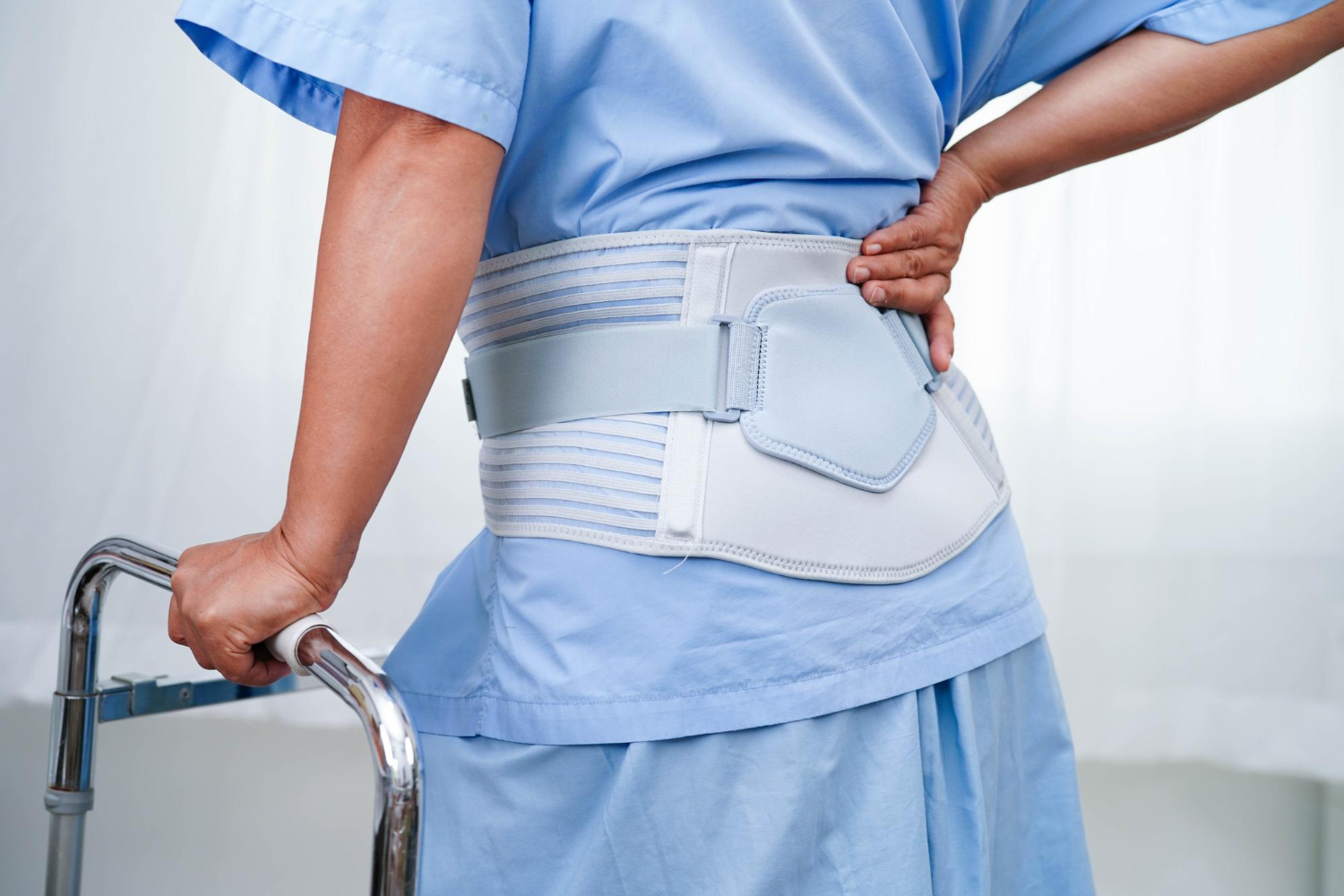
Many conditions can cause similar symptoms, including spinal stenosis, slipped discs, hip arthritis, peripheral neuropathy, and even circulation problems.

Many people are surprised to learn that a disc bulge and a slipped disc are not exactly the same condition. While some disc bulges remain stable, others may progress and start causing symptoms such as back pain, sciatica, numbness, or weakness.

Many people assume all back pain comes from muscle strain. But when pain keeps coming back, travels into the legs, or is accompanied by numbness or tingling, the source may sometimes be the spine itself.
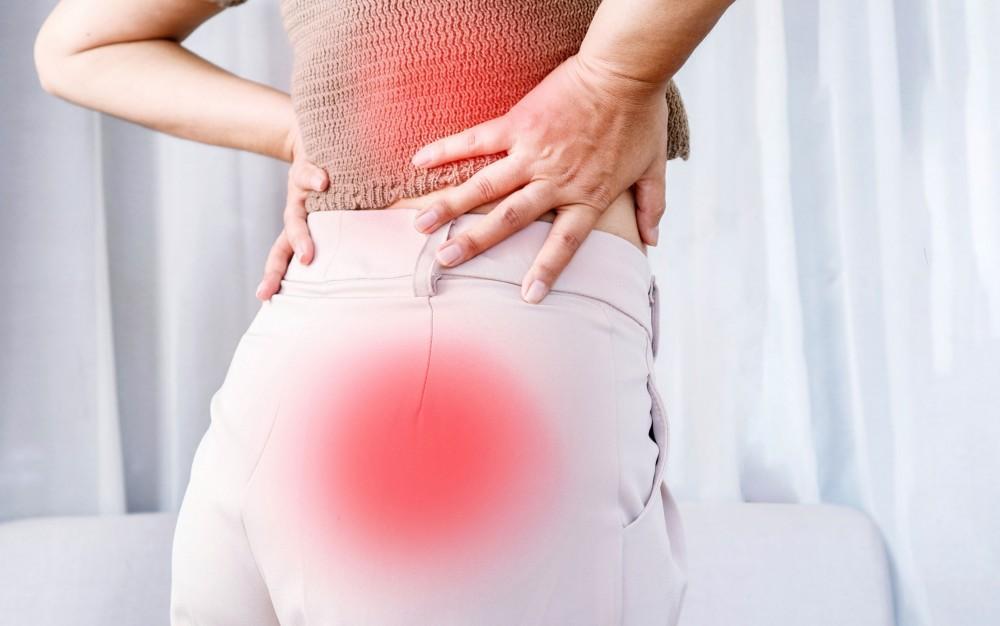
Learn more about the possible causes and treatment options for recurring sciatica symptoms. Read the blog today and book an appointment with Mash Spine & Orthopaedics for a personalised assessment.

Many people don’t realise that early bone infection symptoms can feel like everyday aches, persistent pain, slight swelling, or even mild fatigue. But when these signs don’t go away, they could be your body signalling something deeper that needs attention.

Many people don’t realise that the impact of hip arthritis can go beyond movement. Night-time discomfort, difficulty finding a comfortable position, and disrupted sleep can leave you feeling tired and affect your overall well-being.
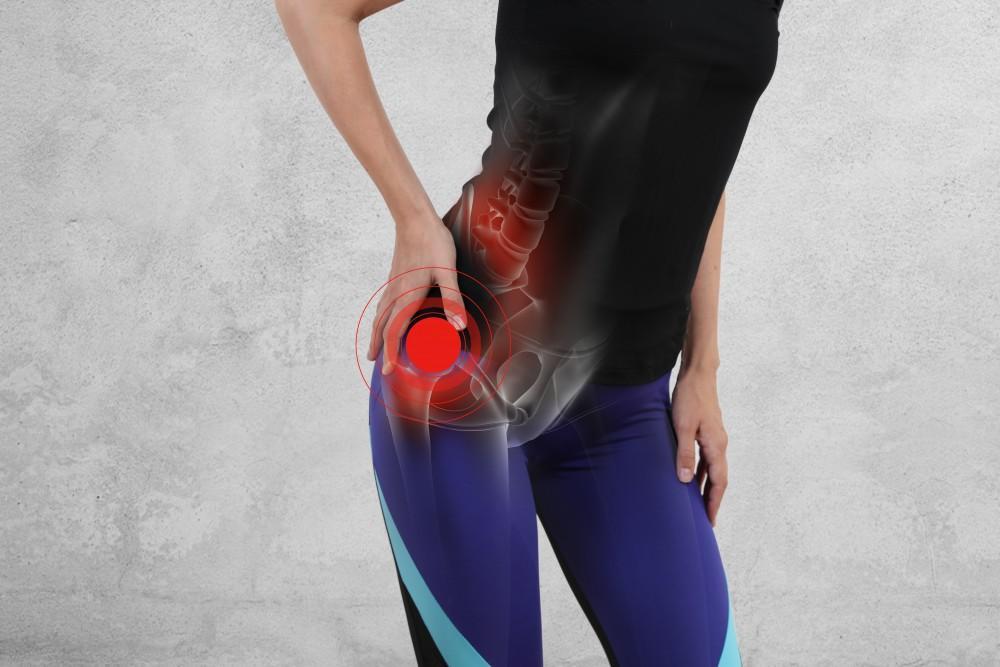
Many people don’t realise that a hip labral tear can develop not only from sudden injuries, but also from repeated movements and underlying joint structure issues over time. Activities like running, gym workouts, or even prolonged sitting can gradually place stress on the hip joint.

Necrotising fasciitis is rare, but recognising the early warning signs such as severe pain, swelling, fever, and rapidly changing skin colour can help prompt timely medical attention.
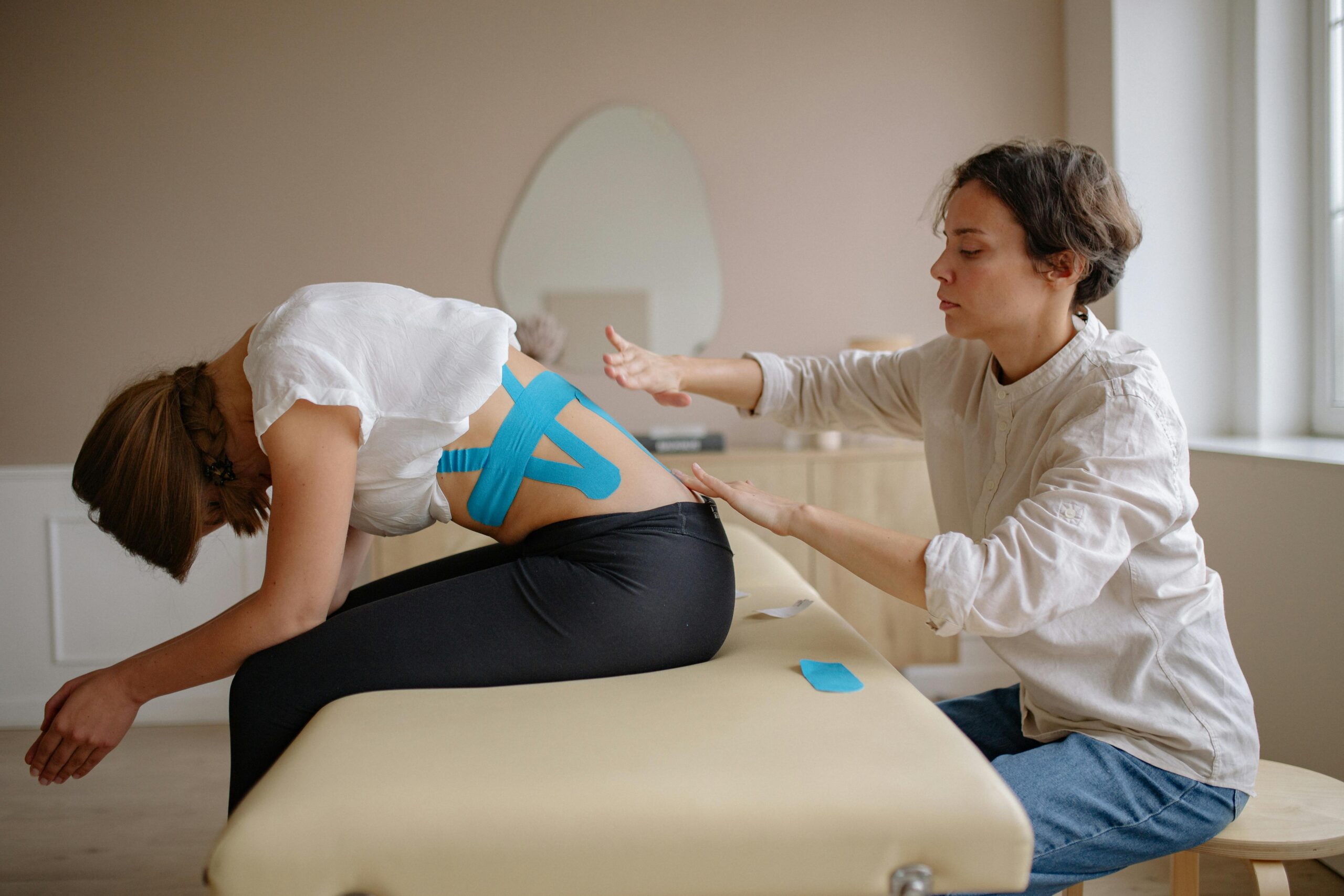
Many people assume spondylosis is simply ageing. While age-related changes in the spine are common, persistent pain, numbness, or weakness may mean the nerves are being affected. The good news? Not everyone needs surgery. In many cases, proper spondylosis treatment and early medical assessment can help manage symptoms and prevent them from worsening.